
Hypersensitive to essential oils? How to recognize reactions and use them safely
Can you be allergic to essential oils? Facts and fiction.
Essential oils are often seen as pure gifts from nature. They support relaxation, strengthen your immune system, and balance body and mind. But did you know that some people can be sensitive to them? If you've ever experienced itching, redness, or headaches after using an oil, then this article is for you. Let's delve deeper into how and why this can happen – and especially how you can use essential oils safely.
Allergic or hypersensitive? The difference
Not everyone who experiences a reaction to an essential oil has a true allergy. There are two main reactions that can occur:
Allergic reaction – This happens when the immune system perceives a certain substance in the oil as 'dangerous' and initiates a defense reaction. This can lead to itching, swelling, shortness of breath, or even anaphylactic shock in very rare cases. Officially, an allergic reaction occurs as a response of the immune system to a protein. Since a pure Young Living essential oil never contains proteins, the immune system cannot react through an allergic reaction.
Hypersensitivity or irritation – This is not an allergy, but a reaction of the skin or mucous membranes to the strong components in the oil. This can manifest as redness, a burning sensation, or headache. This is more common than a true allergy. For example, after too much undiluted use on the skin, or if you are used to using a lot of perfumes, fabric softeners, toilet sprays, etc. With the help of the oils, your body wants to detoxify toxic chemicals, which sometimes causes headaches or other reactions.
How common is an allergic reaction?
Although allergies to essential oils are relatively rare, contact allergy to certain oils does occur regularly.
- A study published in Contact Dermatitis (2021) shows that about 2-3% of people develop a contact allergy to essential oils, especially when they are applied directly to the skin.
- Citrus oils such as lemon and orange can cause increased sensitivity in up to 5% of people when exposed to sunlight (phototoxicity).
- Lavender and tea tree oil are the most reported oils when it comes to allergic/sensitivity reactions, especially in people with sensitive skin. (Journal of the American Academy of Dermatology, 2020).
Which oils most often cause a reaction?
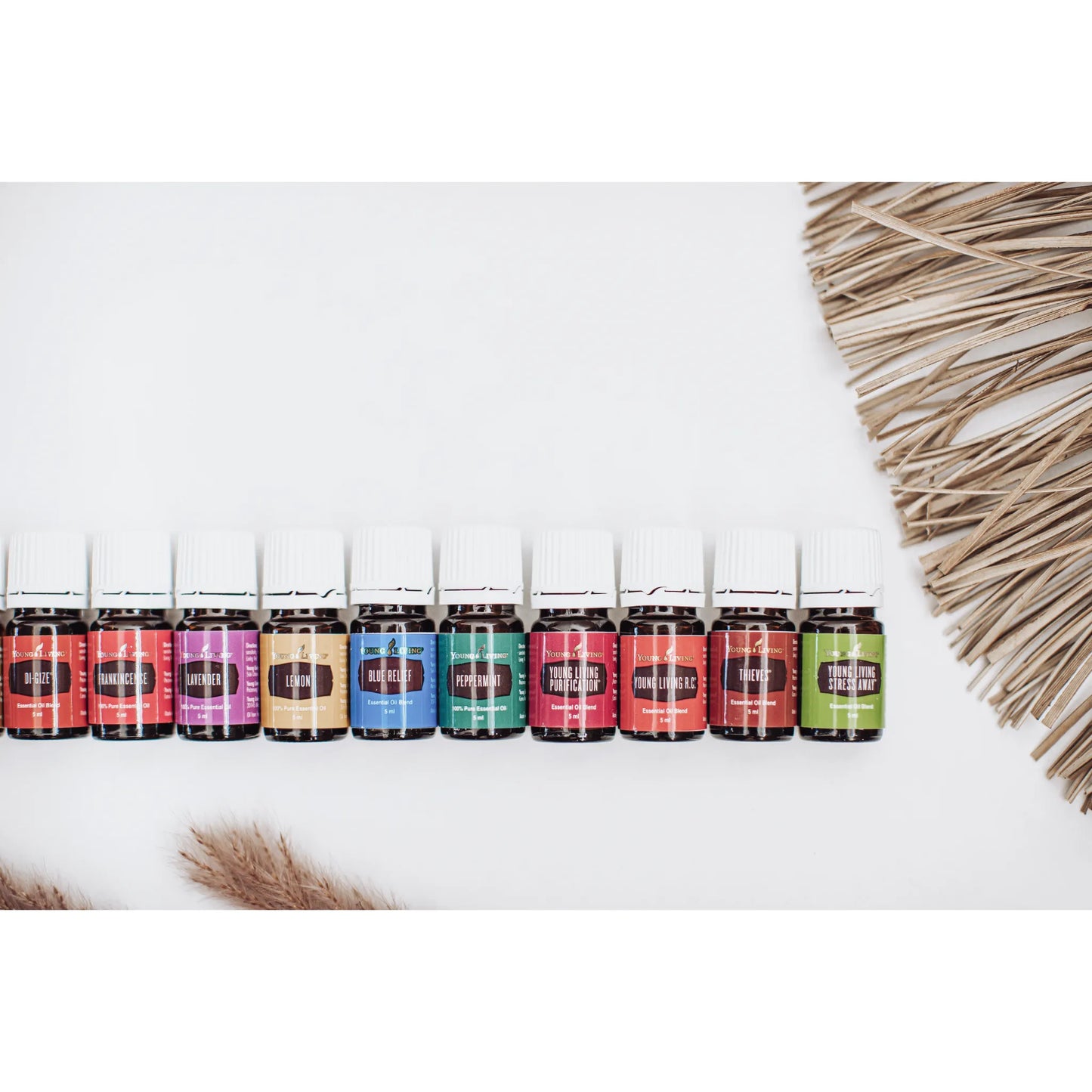
Some oils contain natural substances that can cause a reaction or irritation more quickly in sensitive individuals:
Tea tree and lavender – Often reported in contact allergies.
Citrus oils (lemon, lime, bergamot, orange) – Can worsen skin reactions in combination with sunlight.
Clove and cinnamon – Contain eugenol, which can cause a burning sensation on sensitive skin.
Peppermint – Can cause tingling or skin irritation, especially in its pure form.
How to prevent a reaction?
Essential oils can be a wonderful addition to your wellness routine, as long as you use them correctly. Here are a few simple guidelines to prevent reactions:
✅ Always do a patch test – Apply a diluted drop of oil to the inside of your wrist and wait 24 hours to see if a reaction occurs.
✅ Dilute your oils – Use a carrier oil such as jojoba or almond oil. Pure oils can be too strong for the skin.
✅ Be careful with citrus oils in the sun – Wait at least 12 hours before exposing treated skin directly to sunlight.
✅ Listen to your body – Do you feel dizzy, get a headache, or an uncomfortable feeling? Stop using it and see if the symptoms disappear.
Balance between nature and sensitivity
Essential oils are powerful and healing, but every body reacts differently. With conscious choices and proper use, you can optimally enjoy the benefits without unwanted reactions.
Do you want to know which oils best suit your unique energy and sensitivities? At Suzanne Shares, we are happy to guide you with a holistic view on your health. We have over 8 years of experience, especially with various sensitivities and allergies. Contact us for a measurement and your personal plan!
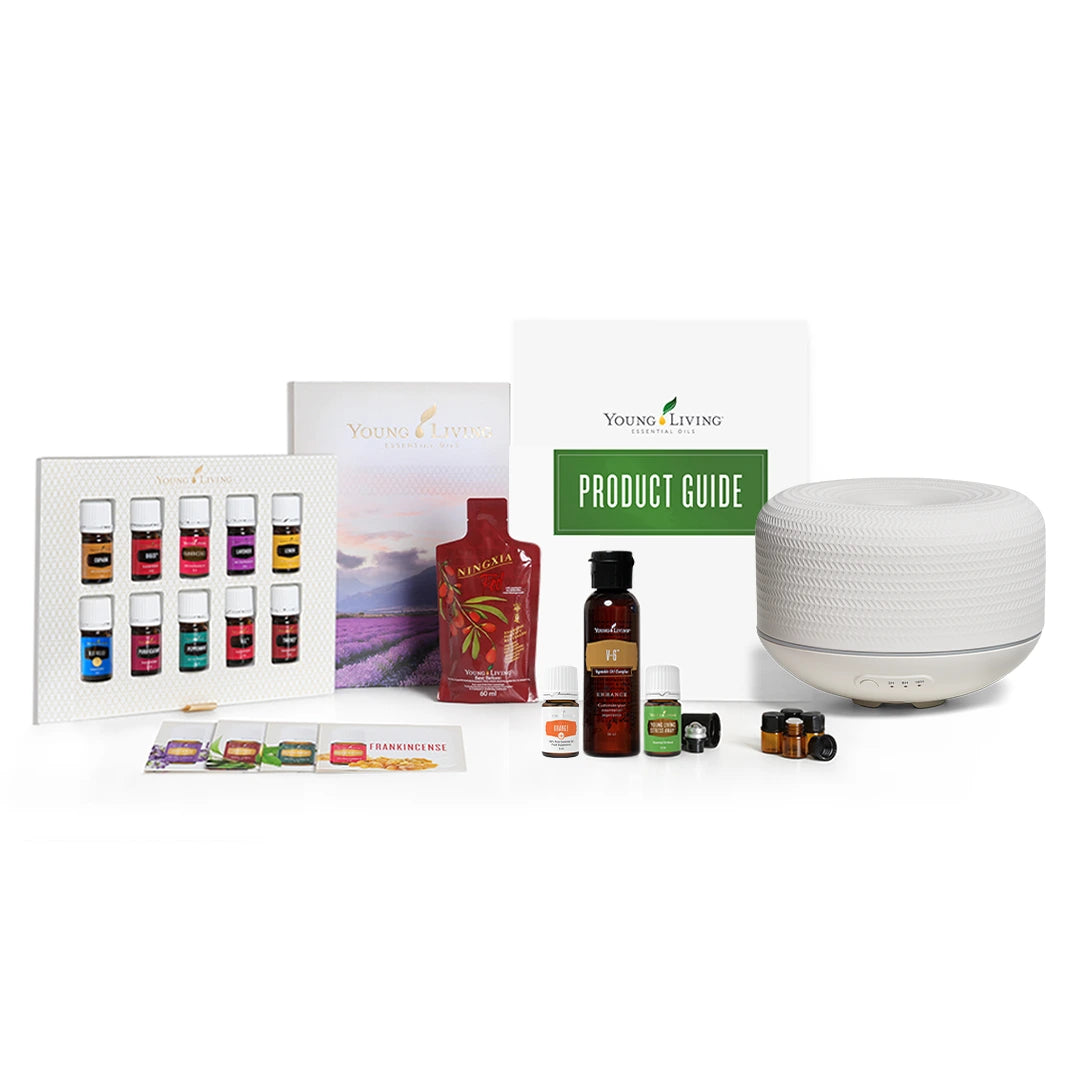
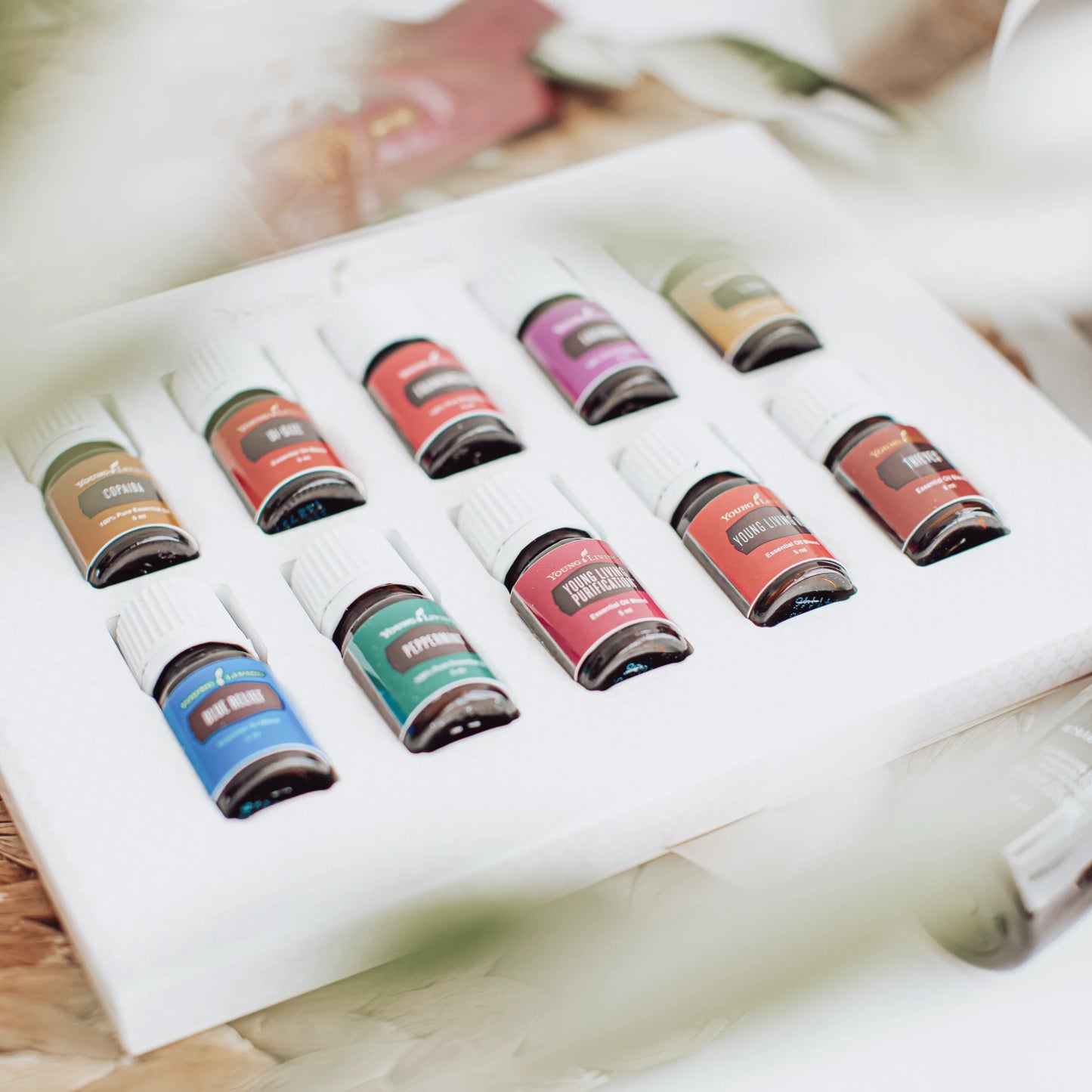
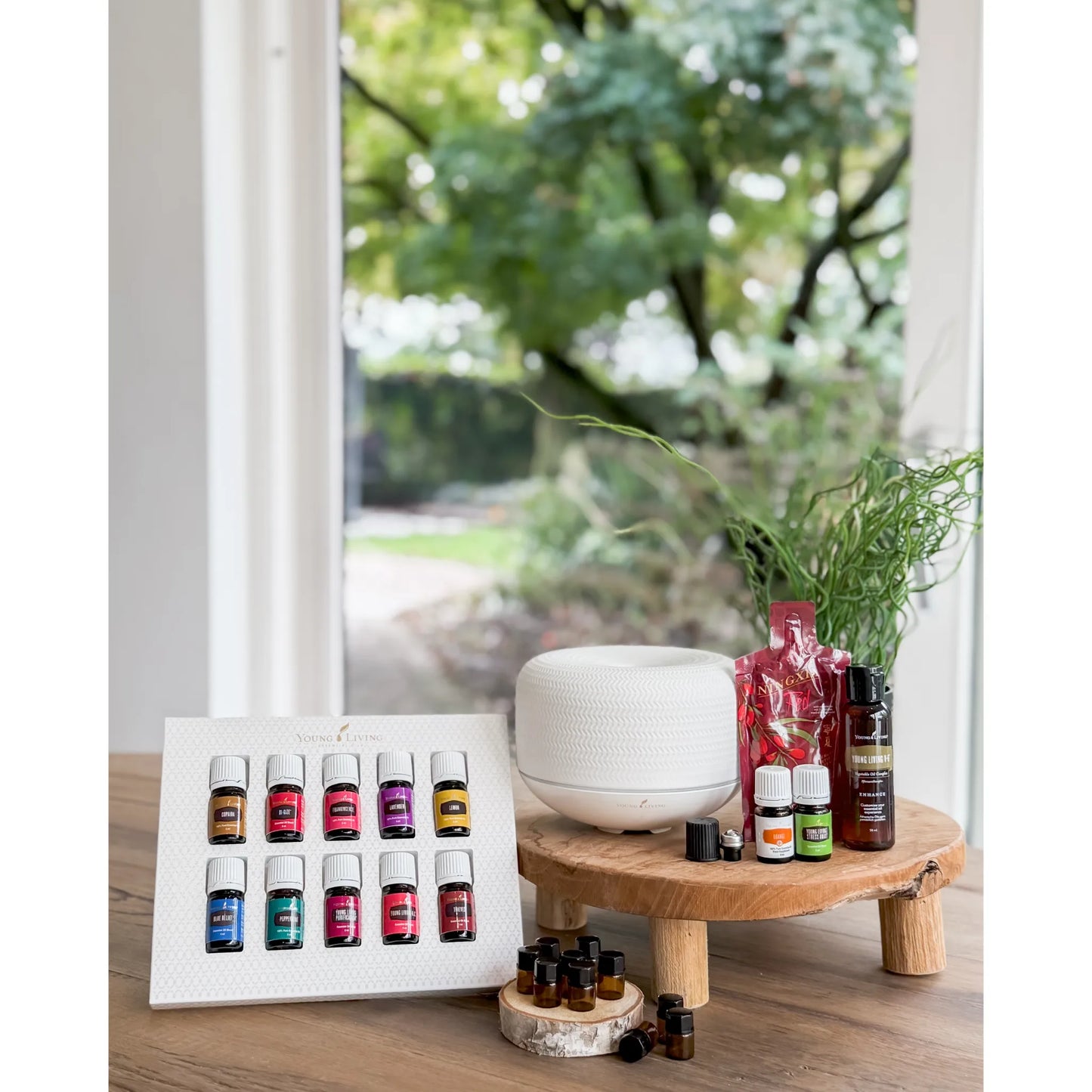
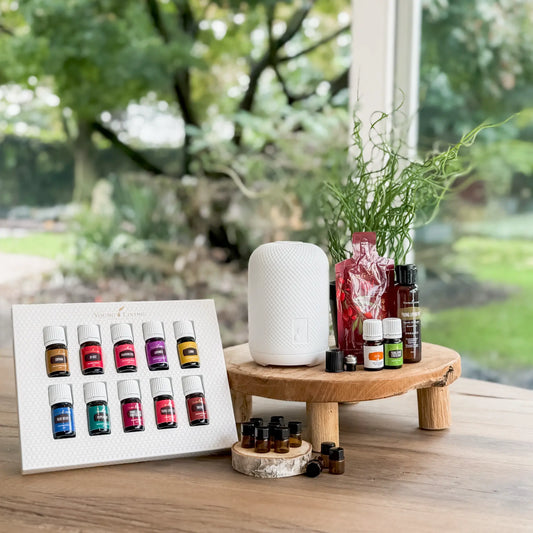
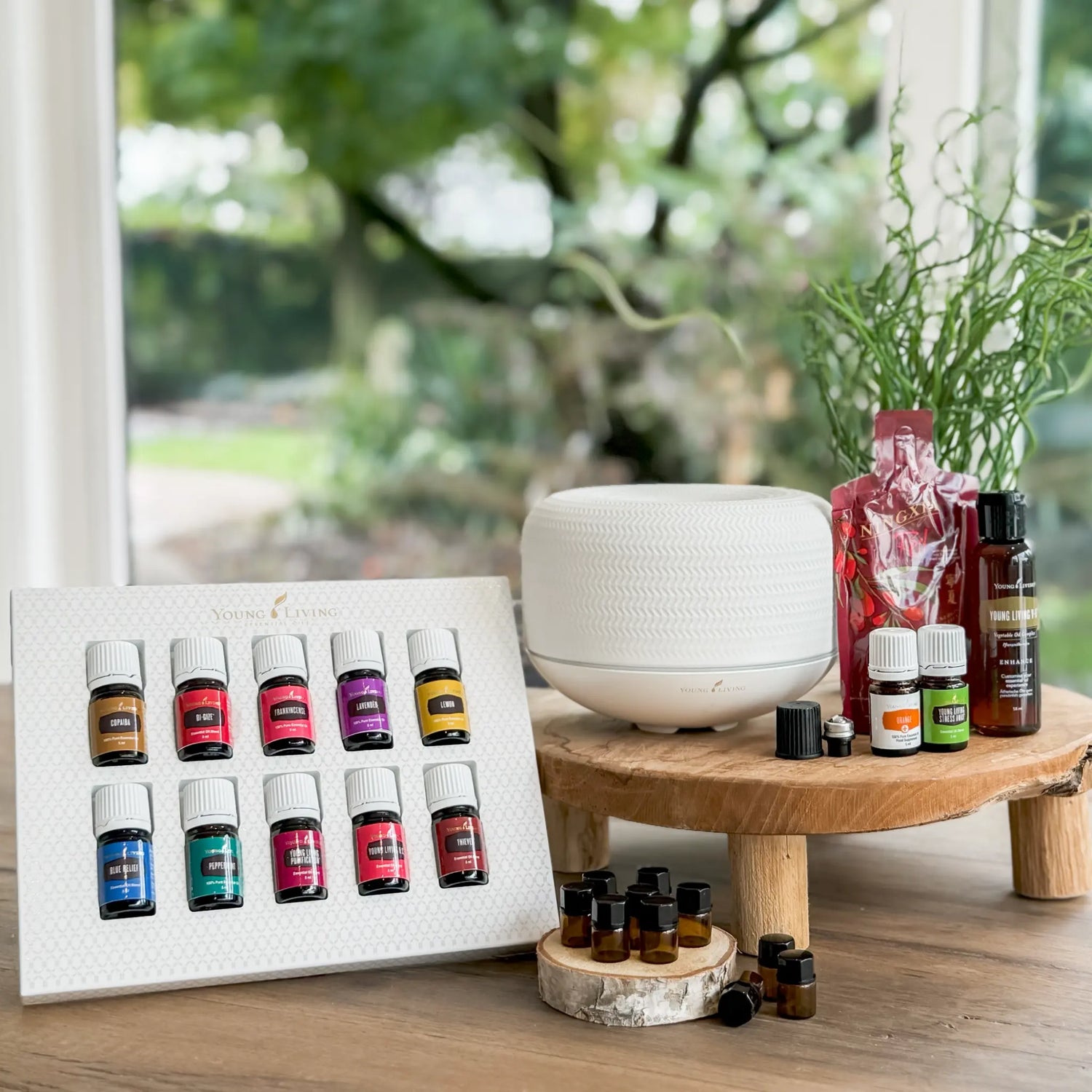
View the most affordable starter kits here.
Read more: What the biomarker scan reveals within a few minutes.💛
💛 Your well-being, your intuition, your path. 💛