
High sensitivity and burnout: how to calm your body and mind as an HSP
🌿 High Sensitivity in an Overstimulated World: Why Your Body Needs Better Tools
📊 High sensitivity in numbers
High sensitivity, also known as HSP (Highly Sensitive Person), is an innate trait in which the nervous system reacts more sensitively to stimuli. According to research by Elaine Aron, approximately 15-20% of the population is highly sensitive. In the Netherlands, a survey of 1,500 HSP respondents showed that 57% of them have (had) burnout.
🌪️ The modern stimulus society
Our ancestors lived in a world with significantly less stimuli. Today we are exposed to an abundance of information, sounds and visual stimuli on a daily basis.
This constant stream of stimuli can lead to an overload of the nervous system, especially in highly sensitive people.
Research shows that modern society produces unprecedented levels of stress, which can lead to burnout. The constant pressure to perform and the overload of stimuli make it difficult for highly sensitive people to relax.
🧠 The connection between burnout and high sensitivity
Why HSPs burn out faster – and what you can do about it
Many women feel like they "shouldn't pay so much attention to things." But if you're highly sensitive (HSP), you process stimuli at a deeper level. You notice more, feel more intensely, and think longer. That's wonderful—but in our fast-paced society, it's also a recipe for exhaustion.
🧬 HSPs process information more deeply
Highly sensitive people have a more sensitive nervous system and brain structures that respond differently to stimuli. They filter more slowly and perceive more details—sounds, moods, light, emotions, smells, expectations. According to neuroscientific research (Aron & Aron, 2017), activity in the insula—a brain region involved in empathy and stimulus processing—is increased in HSPs.
In a society that constantly demands performance, adaptability, and perseverance , highly sensitive systems become overloaded more quickly. And that leads – often insidiously – to:
-
❌ Overstimulation and sleep problems
-
❌ Fatigue that doesn't go away with just "taking a rest"
-
❌ Loss of focus and overview
-
❌ Emotional exhaustion
-
❌ Feelings of failure or misunderstanding
🔥 Why burnout is more common among HSPs
Did you know that HSPs are up to twice as likely to develop burnout ?
Dutch research (hoogsensitief.nl, 2023) shows that 57% of HSPs surveyed have (had) burnout. This is because:
-
They often ignore their body's signals for too long (they don't want to bother anyone)
-
They have an extremely good sense of what others need, but forget themselves
-
They adapt to a system that structurally overstimulates them
Burnout in HSPs is therefore not only about “doing too much” – but about a mismatch between who you are and what your environment demands of you .
🌿 The solution? Back to your rhythm and natural regulation.
You don't have to become tougher. You can live softer.
The path out of burnout for HSPs requires recovery of the nervous system, rest for the brain, and support for the body at the cellular level . Small, natural steps make all the difference:
-
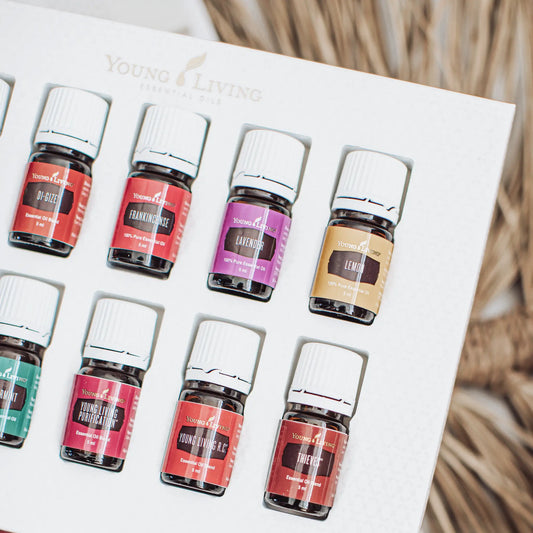
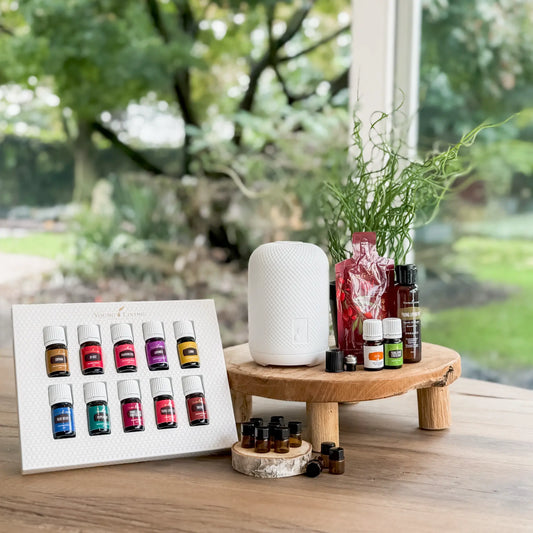
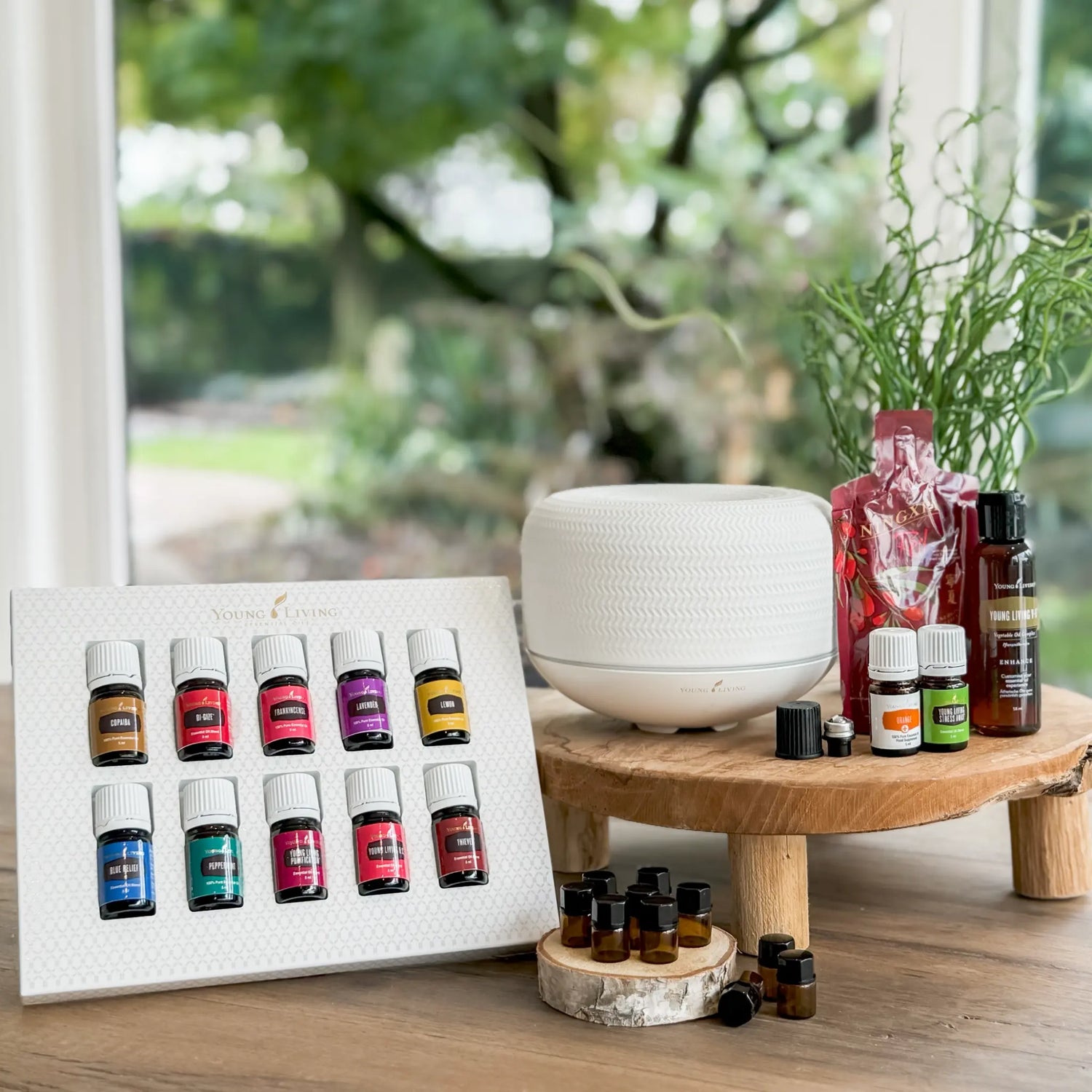
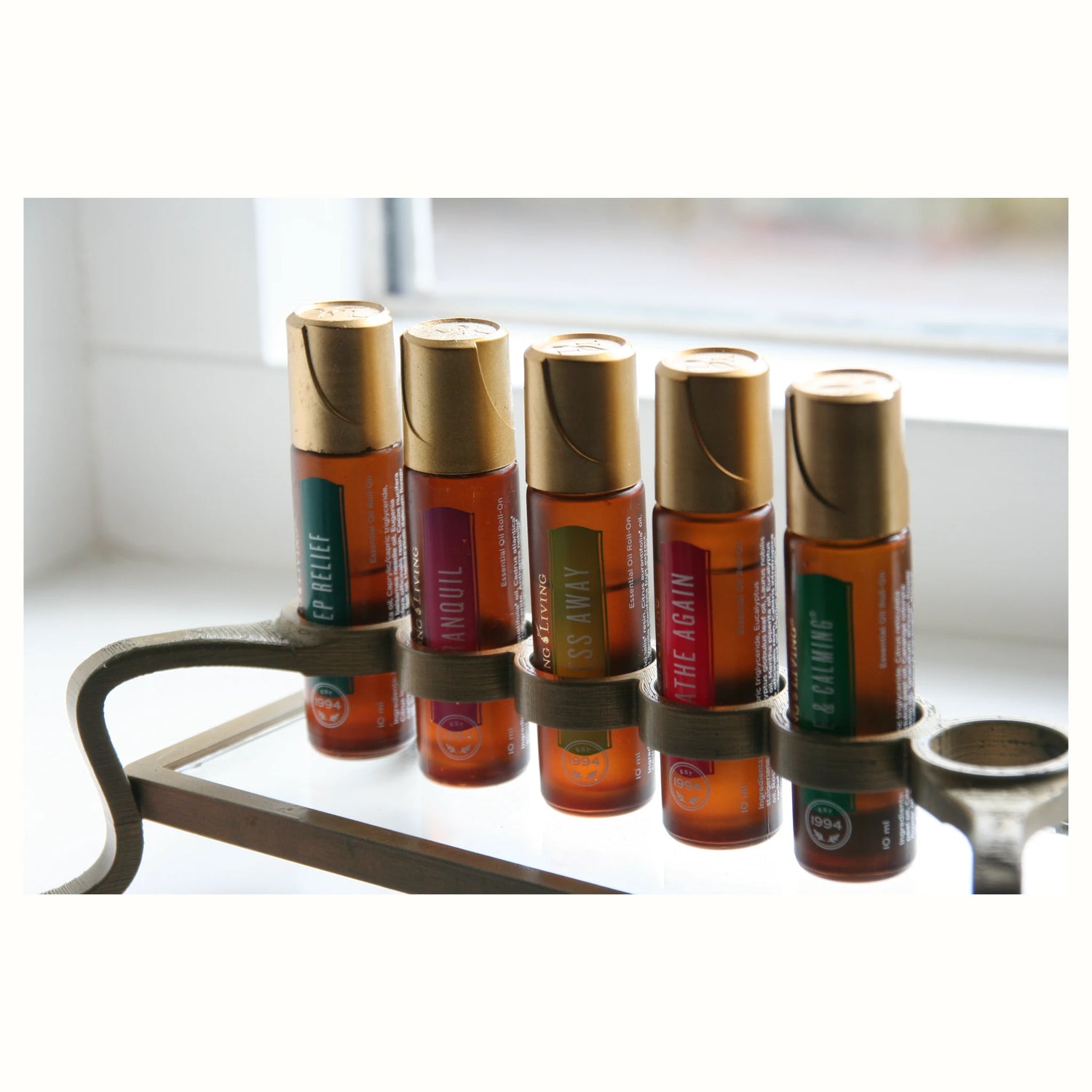
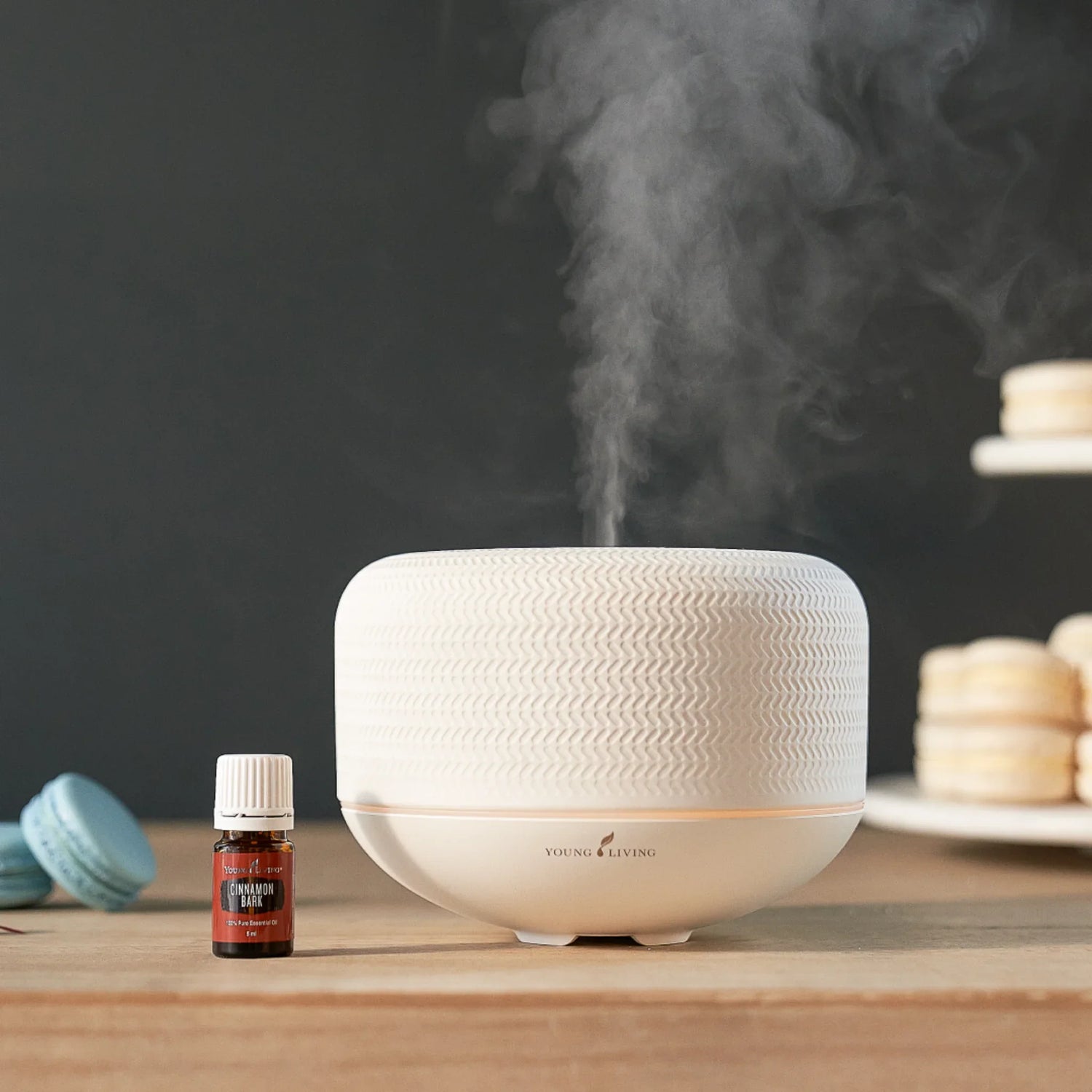
💧 Essential oils such as Lavender, Vetiver and Cedarwood have a calming effect and help you get out of your head
-
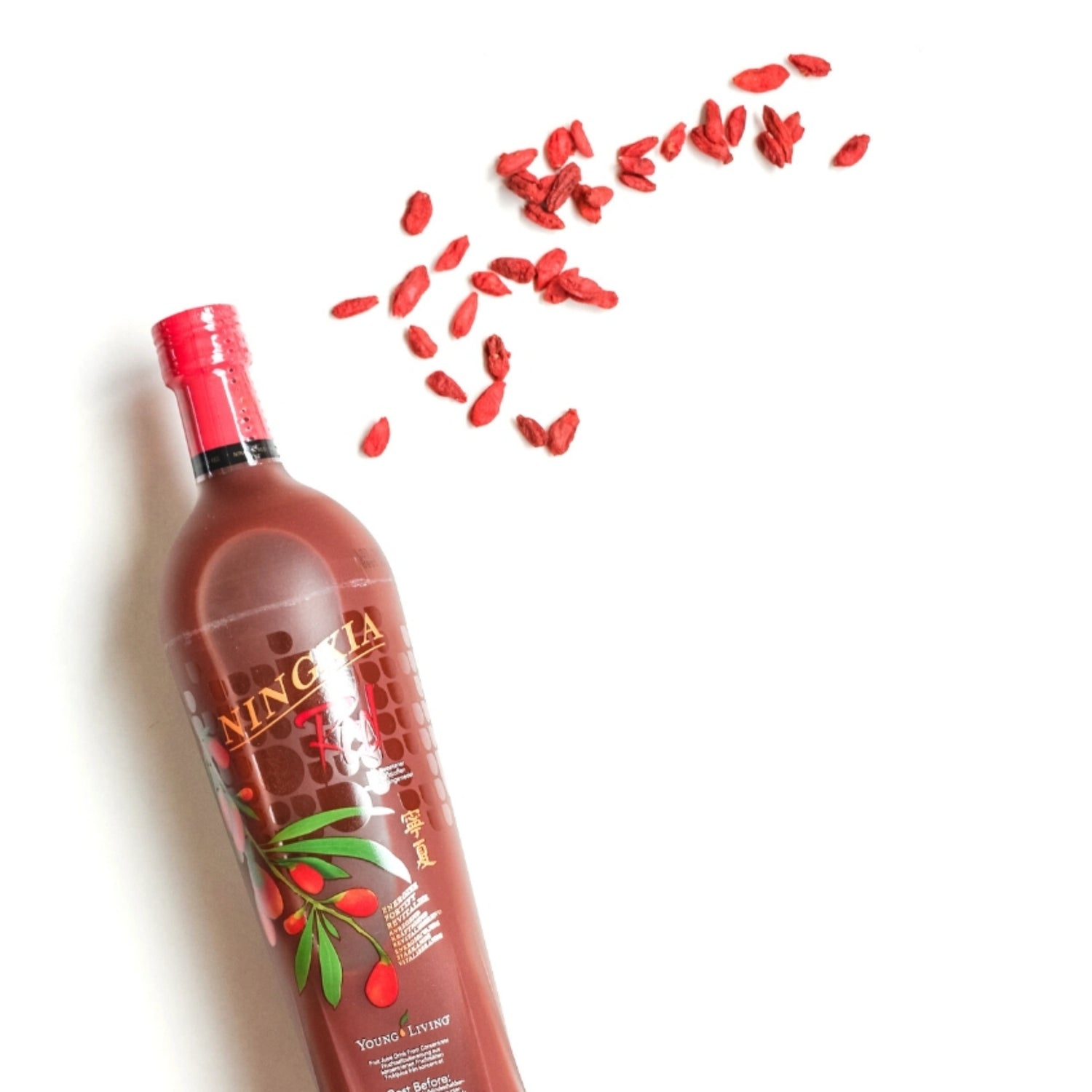
🧬 Minerals & phytonutrients restore your cells and reduce energy loss
-
🍃 Lifestyle at your own pace : more nature, less screen, more feeling – less having to
And perhaps most importantly: recognition . You're not weak. You're sensitive. And that's a superpower—if you take good care of yourself.
By integrating these natural methods into daily life, HSPs can better cope with the challenges of modern society and experience more peace and balance.
Want to learn more about how you, as an HSP, can improve your well-being with natural remedies? Contact us for a consultation and your personalized plan! At Suzanne Shares, we offer guidance and products tailored to your needs.
Are you ready to take back control of your health?
📍 At Suzanne Shares, with more than 6 years of experience, we are happy to guide you with a holistic view of your well-being.
Read more: What the biomarker scan reveals in just a few minutes. 🚀💖