
Scent as Ritual: How Perfume and Oil Amplify Your Energy and Intention 🌿✨
Throughout the centuries, scent has not only been used for seduction and beauty, but also as a spiritual, healing, and protective agent. From ancient temples in Egypt to shamanic rituals and royal perfumes – scent was always more than just a pleasant fragrance.
The history of perfume – scent as a powerful ritual
Throughout the centuries, perfume was composed with deeper meanings and specific intentions: protection, healing, courage, rites of passage, and even to connect with the divine.
1. Egypt – Perfume as a gateway to the Divine
Purpose: Purification, protection, and spirituality
Important scents: Frankincense, myrrh, lotus, cedarwood
In ancient Egypt, perfume was considered a ‘gift from the gods’. Pharaohs and priests used scent to cleanse themselves before temple rituals and to protect themselves energetically.
Interesting:
- In Tutankhamun's tomb, vials of myrrh and frankincense over 3000 years old were found!
- Kyphi, a fragrant blend of herbs, honey, wine, and resins, was used for deep relaxation and spiritual connection.
Modern use: Myrrh and frankincense are still used in meditation and prayer to create a deep sense of calm.
2. Rome & Greece – scent for courage and healing
Purpose: Strength, recovery, and victory
Important scents: Laurel, rosemary, thyme, cinnamon
In ancient Rome, soldiers rubbed themselves with laurel and rosemary before battle. It was believed that these scents provided courage and sharpness.
Interesting:
- Roman baths were filled with vapors of thyme and eucalyptus to cleanse the lungs and strengthen resistance.
- Hippocrates (the ‘father of medicine’) used fragrant herbal baths as a healing method.
✨ Modern use:
Laurel oil and rosemary are still used in focus sprays and performance boosters.
3. Middle Ages – protection against illness and negative energy
Purpose: Combating illness and protection against negative influences
Important scents: Clove, lemon, sage, lavender
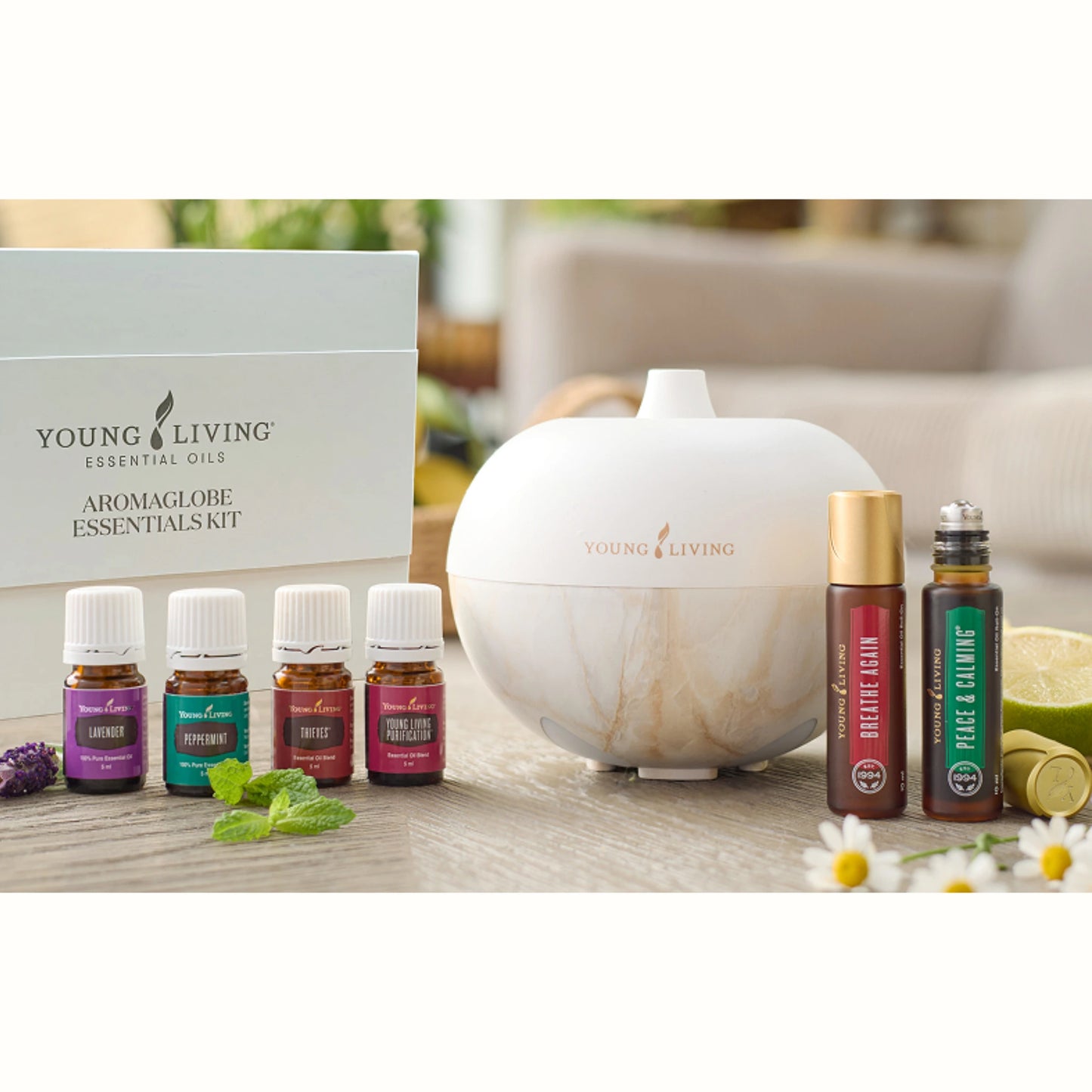
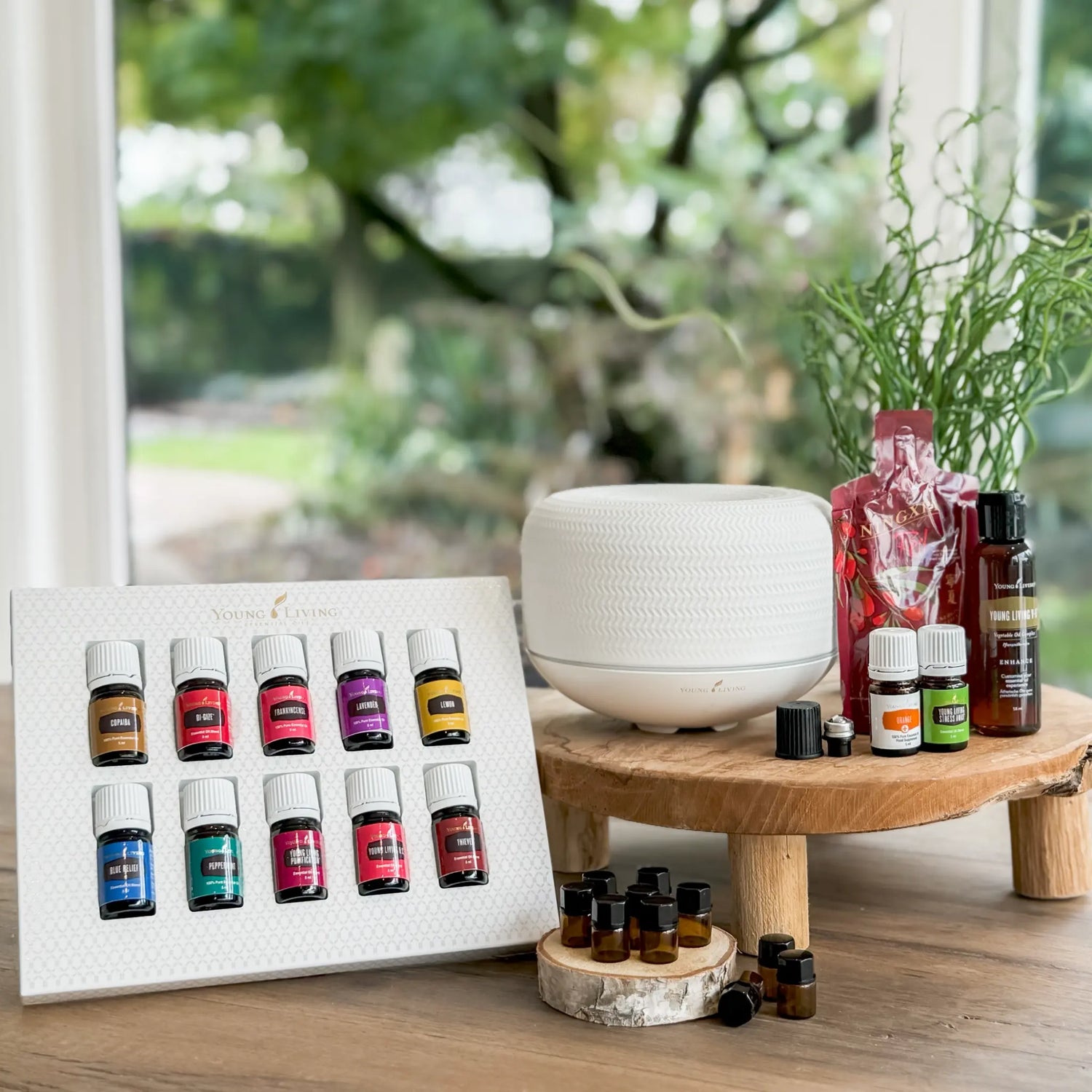
During the plague, herbs and oils were used as a protective shield. ‘The four thieves’ blend (later known as Thieves®) contained clove, lemon, and cinnamon, and was applied by doctors to their masks.
Interesting:
- Women wore scent sachets with lavender and rosemary on their skin to protect themselves from illness.
- Sage was used in house cleansing rituals to ward off evil energy.
Modern use:
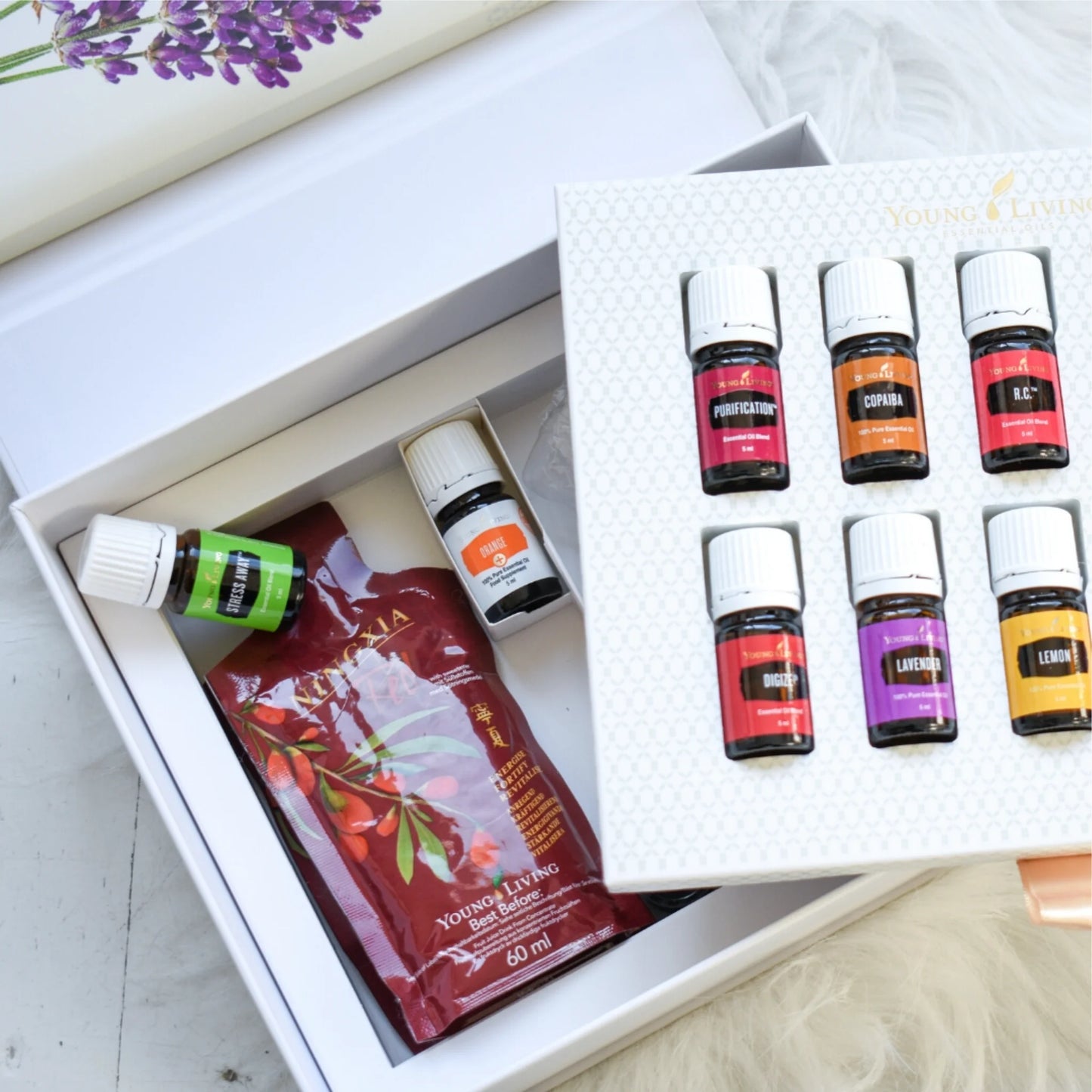
Thieves® and lavender are still essential oils known for their purifying and protective properties.
4. Renaissance & Baroque – perfume as power and seduction
Purpose: Royal status, attractiveness, and social influence
Important scents: Jasmine, sandalwood, rose, musk
At the court of Louis XIV and Queen Elizabeth I, perfume was a status symbol. Not only to ‘hide odors’, but also to enhance status and attractiveness.
Interesting:
- Jasmine was called the ‘queen of the night’ and was incorporated into love perfumes.
- Perfume was considered ‘magic’ – a scent could seduce, calm, or dominate someone.
Modern use:
Jasmine and rose are still essential scents in perfumes for feminine power and attraction.
5. Indigenous peoples – scent for rites of passage & sacred ceremonies
Purpose: Spiritual transformation, energetic protection, and contact with ancestors
Important scents: Palo Santo, cedar, sage, cocoa
Shamans and medicine women used scent to cleanse and guide the soul during life transitions. From birth to death, scent played an essential role.
Interesting:
- Palo Santo (Holy Wood) was burned before ceremonies to remove negative energy and set new intentions.
- In some traditions, cocoa scent was used to open the heart and promote emotional healing.
Modern use:
Shamanic scents such as sage and palo santo are still used for energetic cleansing and meditations.
Conclusion: perfume was always magical
What we know today as ‘perfume’ was originally a powerful tool for spiritual growth, emotional balance, and physical protection.
How can you bring this into your life?
- Consciously use scents to influence your mood and energy.
- Choose oils that match your intentions (e.g., frankincense for calm, jasmine for attraction, laurel for focus).
- Create your own personal scent ritual!
Create your own scent ritual – a moment of strength and intention
Scent is more than a pleasant experience. It is a key to memories, emotions, and energy. Why not use perfume as consciously as the women before us? Make scent a ritual. A moment of strength and intention.
Step 1: Choose your intention – What do you need today?
Self-love & softness → Rose & vanilla
Courage & strength → Laurel & cinnamon
Cleansing & new energy → White sage & lemon
Spiritual connection → Frankincense & sandalwood
Step 2: Apply it consciously
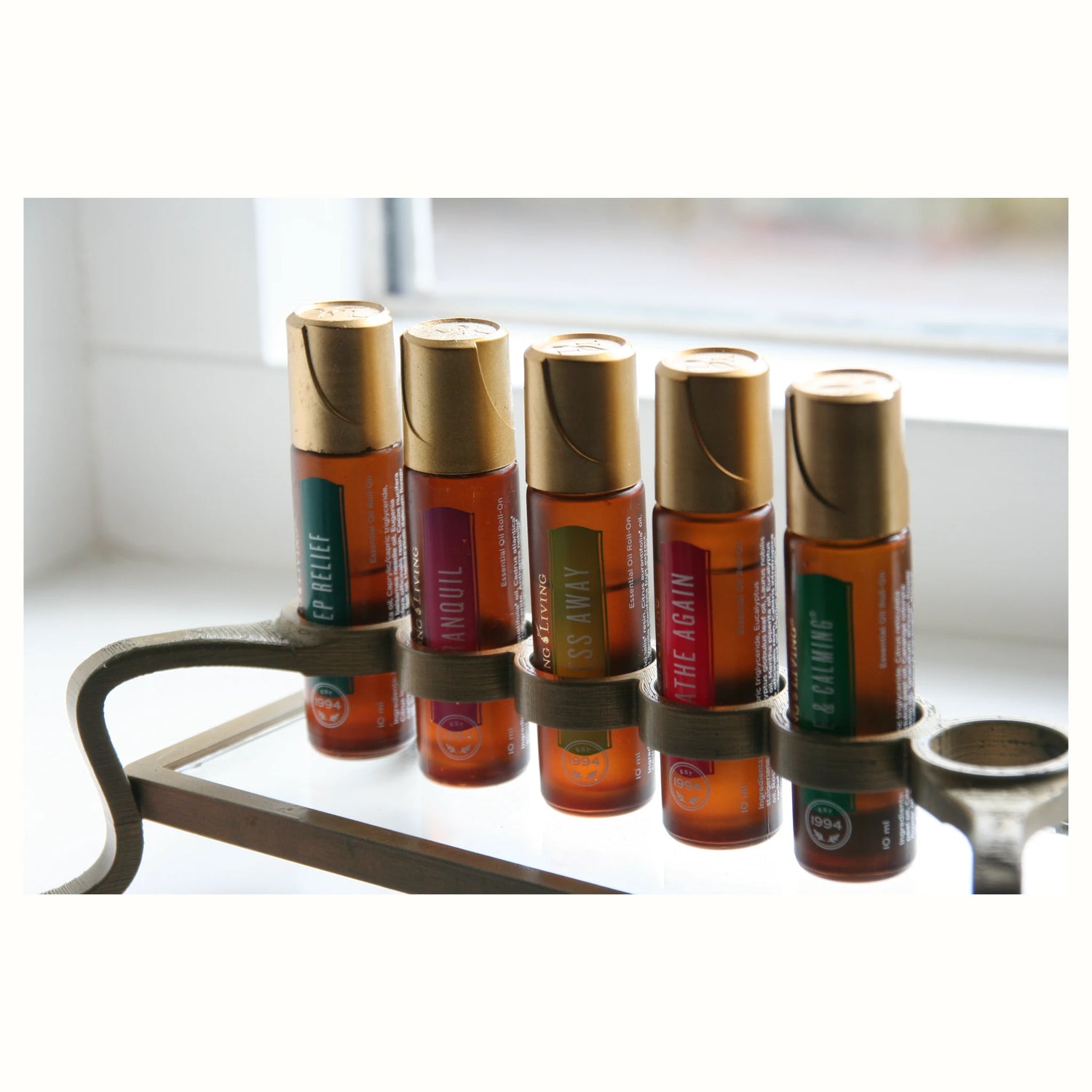
Put a few drops of essential oil on your wrists and behind your ears. Breathe deeply. Imagine how the scent enhances your intention.
Step 3: Say your affirmation out loud
- "I am powerful and radiate my energy into the world."
- "My energy is protected and pure."
- "I embrace my feminine power and intuition."
Step 4: Let the scent guide you
Feel how the scent holds your intention throughout the day. Let it be your anchor.
Your scent is your strength. How will you consciously use scent in your life?
Do you want to discover which scents and oils best suit your unique situation? At Suzanne Shares, with over 8 years of experience, we are happy to guide you with a holistic view of your well-being.
Contact us for a measurement and your personal plan!
Read more: What the biomarker scan clearly shows in a few minutes.