




• Profielfoto van Suzanne in een rond pictogram

    Written by certified Naturopath Suzanne Shares

    - 8 years of experience with over 1600 clients in the Netherlands and Europe.

Something struck me this week.

Someone landed on my webshop and immediately ordered three jars of Life 9. Without hesitation.

That tells me something important.

More and more people are starting to understand that gut health goes far beyond just your stomach. Your gut health directly influences your brain!

Yet, in consultations, I notice that many women don't know how much influence, for example, a course of antibiotics can have on their gut flora. Even after a year, there can still be an imbalance.

vrouw merkt darmklachten en vermoeidheid na antibiotica

A Forgotten Consequence

Antibiotics can be life-saving.<!--en-->But there's something few people talk about.

Why antibiotics affect your gut flora

Your gut flora consists of billions of bacteria. These help with digestion, immunity, nutrient absorption, and even how you feel mentally.

Antibiotics can be life-saving. Sometimes they are absolutely necessary. But antibiotics don't distinguish between bacteria; good bacteria are also eliminated.

As a result, people may notice changes after a course of treatment: more bloating, fatigue, skin problems, restlessness, less cheerfulness.

Research shows that even one course of antibiotics can cause measurable changes in the composition of the gut microbiome.

For example, researchers observed that disturbances in gut flora can remain visible for more than a year after antibiotic use. Some studies even show that certain changes can be measurable for much longer.

vrouw ervaart rust in hoofd door gezonde darmen

Your gut and head are talking to each other

Many women think that stress is all in their heads.<!--en-->But often, the cause of it lies somewhere completely different!

Why your gut-brain axis is more important than many people think

Your gut and brain are in constant communication, which we call the gut-brain axis.

A large part of the substances that influence mood and well-being are affected by processes related to your gut health.

That's why I often hear: "I get overstimulated more easily."

"I sleep differently."

"I suffer from brain fog."

Your gut does much more than process food. Approximately 90–95% of the body's serotonin production occurs in the gastrointestinal tract. Serotonin is involved in processes related to mood, sleep, and well-being.
Increasing research shows that gut health is related to immune function, energy regulation, and even how people feel on a daily basis.

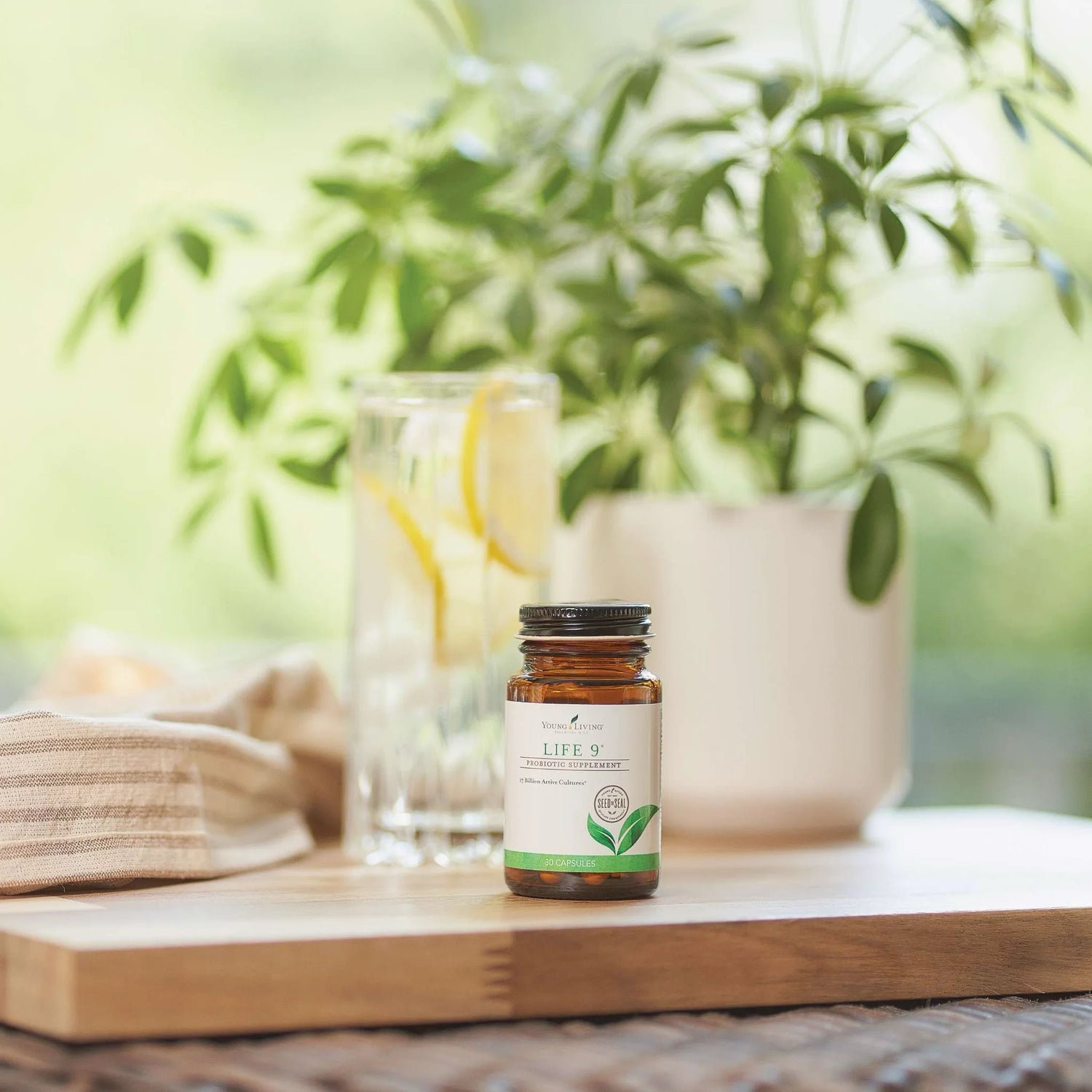
Life 9 probiotisch supplement op tafel met citroenwater – ondersteunt gezonde bacteriën in de darmen, weerstand en spijsvertering op natuurlijke basis.

Supporting recovery

Repairing your body takes time. But the right path makes a big difference.

Why probiotics after antibiotics is often discussed

More and more people are actively seeking support for their gut flora. Not only after antibiotics, but also during stress, busy periods, or recurring intestinal complaints.

Sufficient fiber, dietary variety, and fermented products can contribute to a healthier gut environment. Unfortunately, the quality of our food is rapidly declining.

A high-quality probiotic is becoming part of a broader approach for an increasing number of people.

Because: not all probiotics are the same: bacterial strains differ.

Quality differs. And what is appropriate varies from person to person.

Certified naturopath Suzanne Shares consulting a client in her holistic health office in the Algarve, Portugal, seated at a desk with natural wellness products visible in a calm clinical setting.

Why personal guidance often makes the difference

What works for your girlfriend or colleague may not work for you. You are unique. That's why I always look broader. At specific deficiencies, causing processes in your body to simply fail. I look at stress, your burden, and history. And where necessary, we work with additional insight via scans or personal guidance.

Discover your personal wellness path

Frequently Asked Questions

How long does recovery take after antibiotics?

That varies from person to person. Factors such as diet, lifestyle, and health play a role. On average, doctors observe that the gut flora has not fully recovered a year after antibiotic treatment.

Can antibiotics affect energy levels?

Here's how to download your digital products:

What is the gut-brain axis?

The gut-brain axis is the communication link between your gut and brain. Both systems are constantly communicating with each other. What happens in your gut directly affects your focus, sensory processing, and happiness hormones, such as serotonin, among others.

Can I effectively supplement my diet?

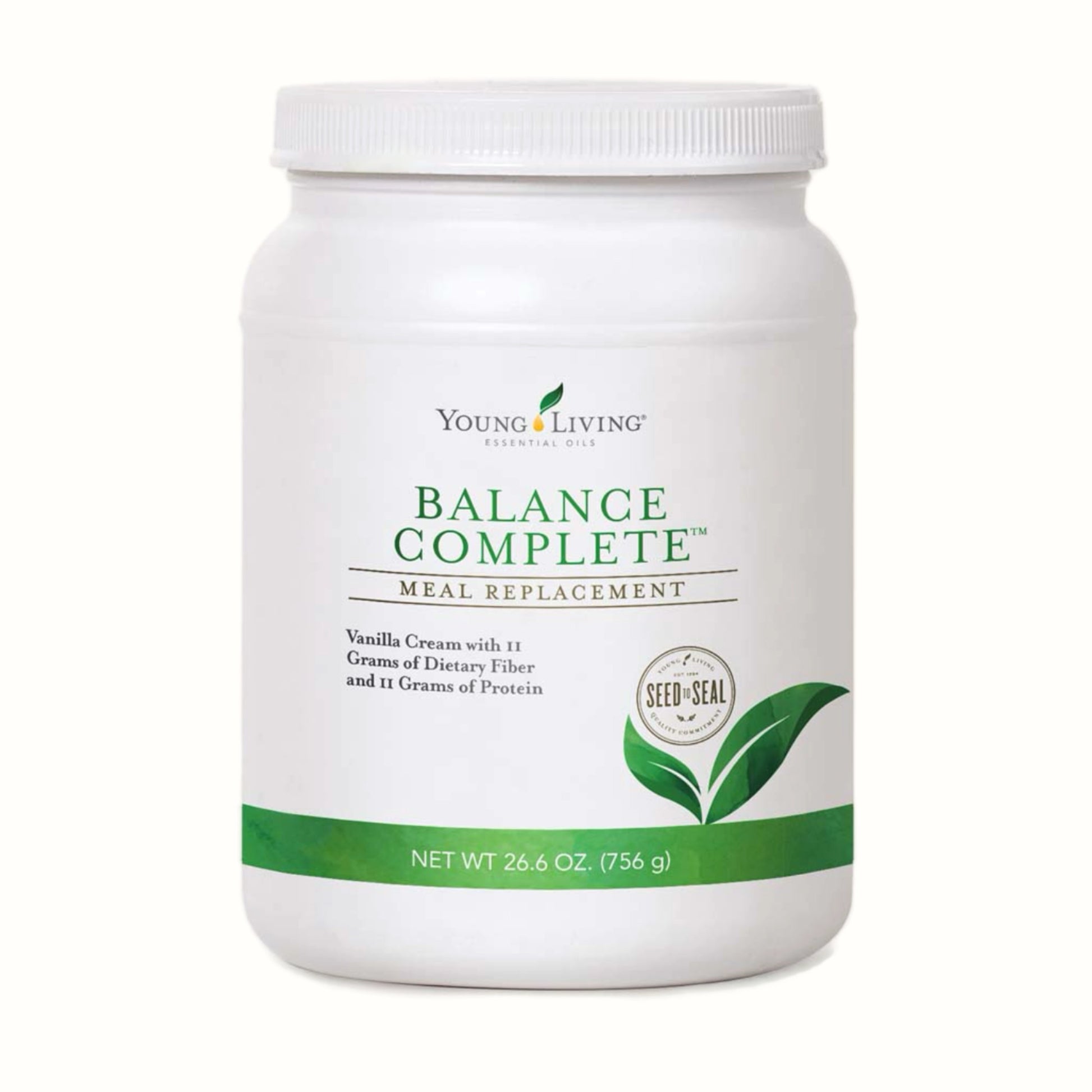
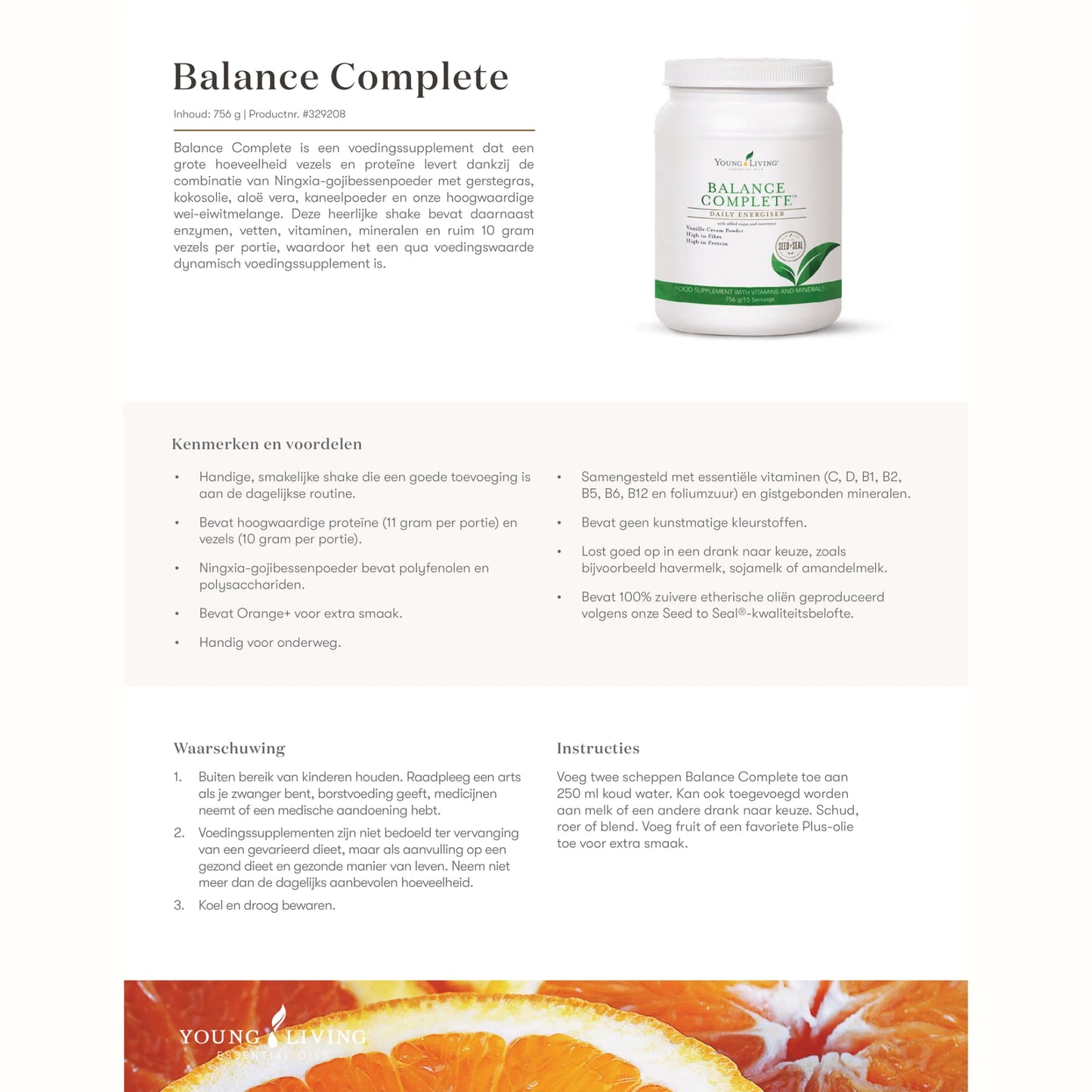
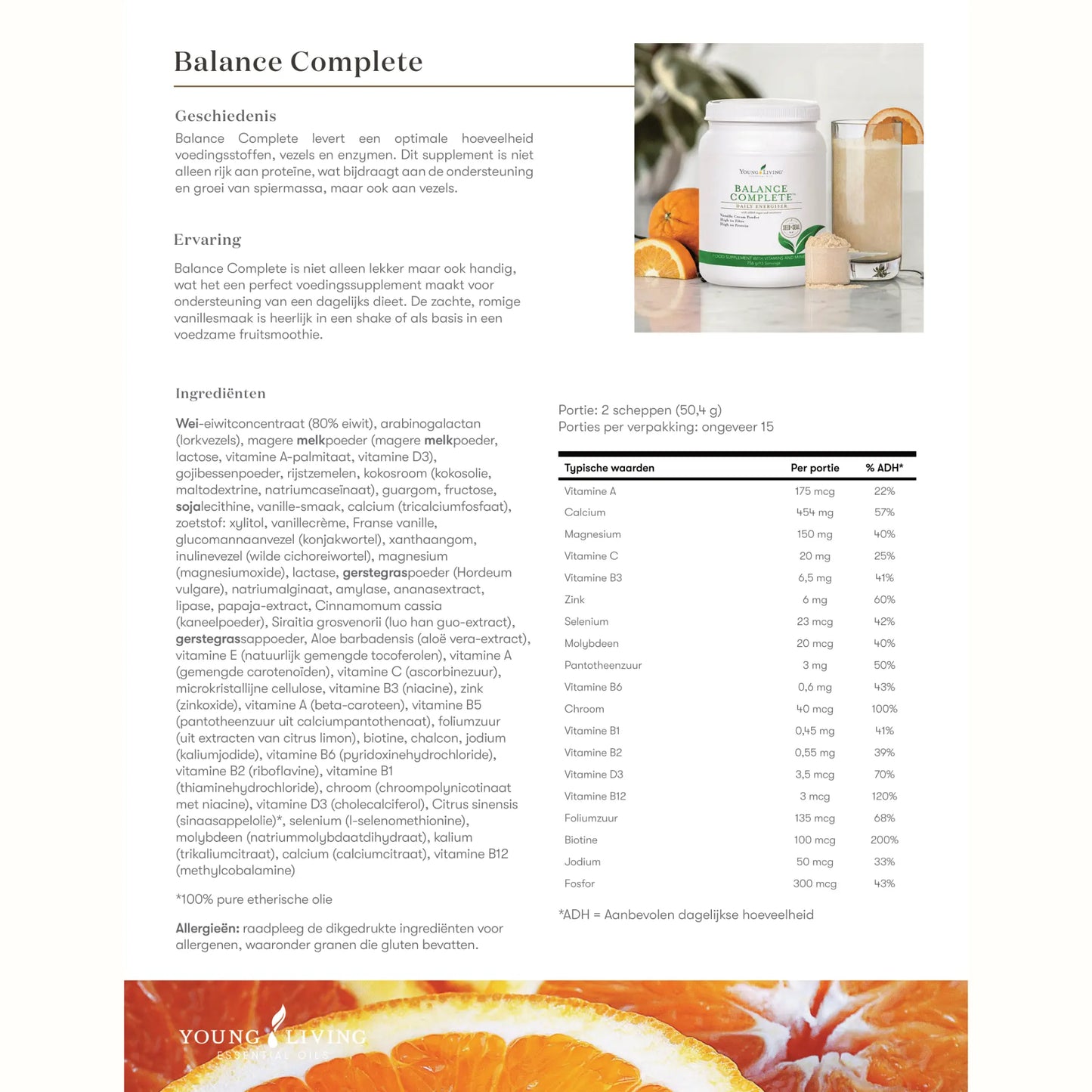
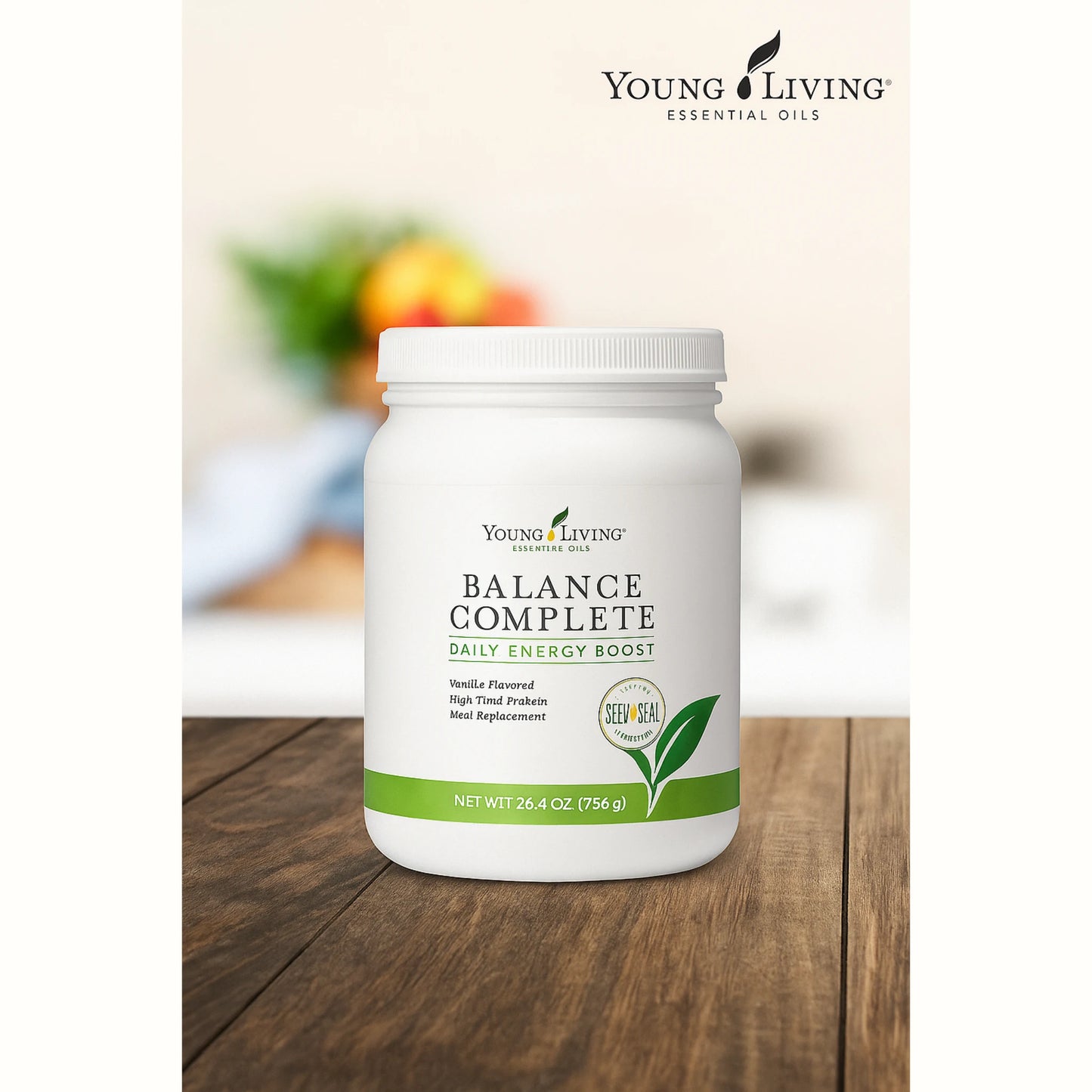
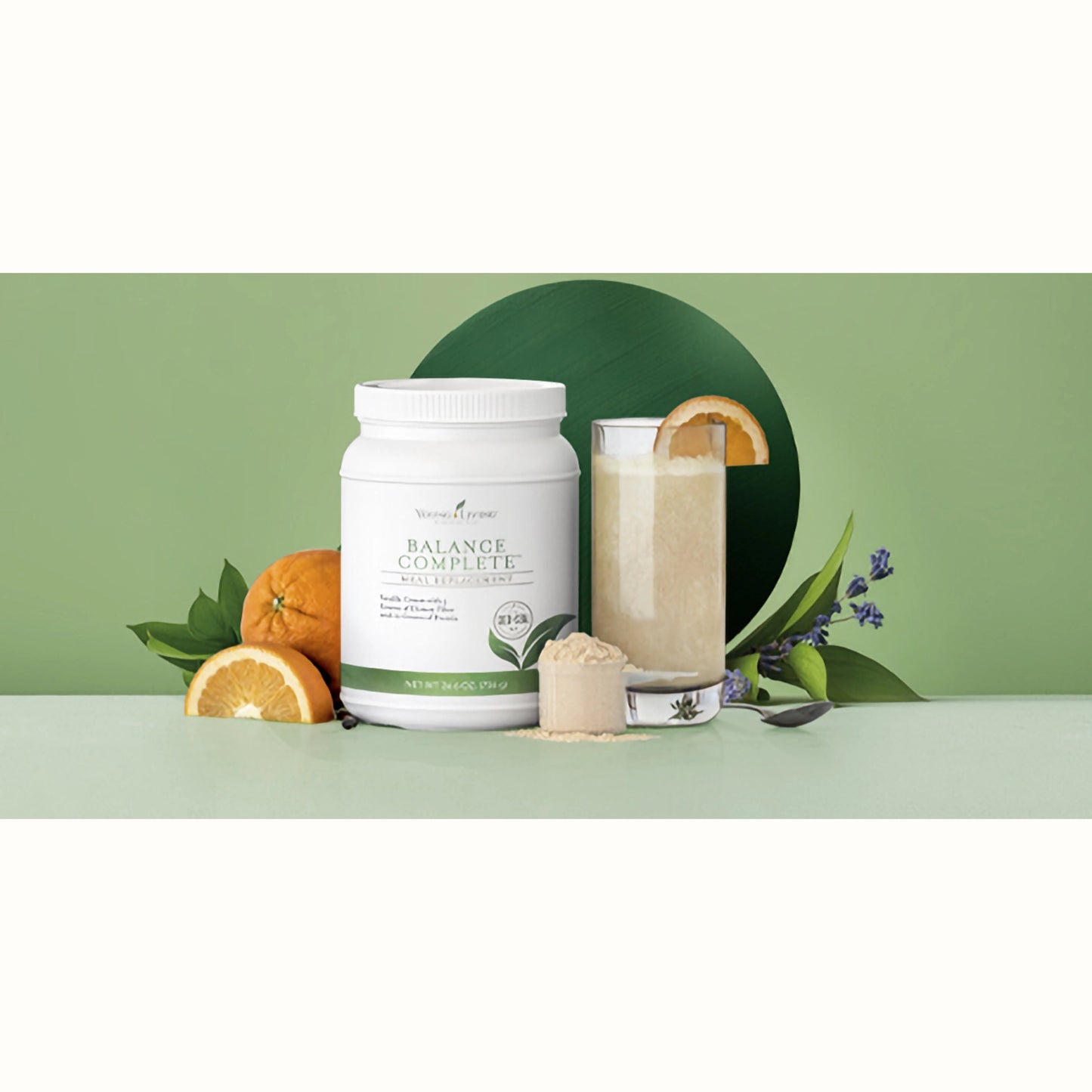
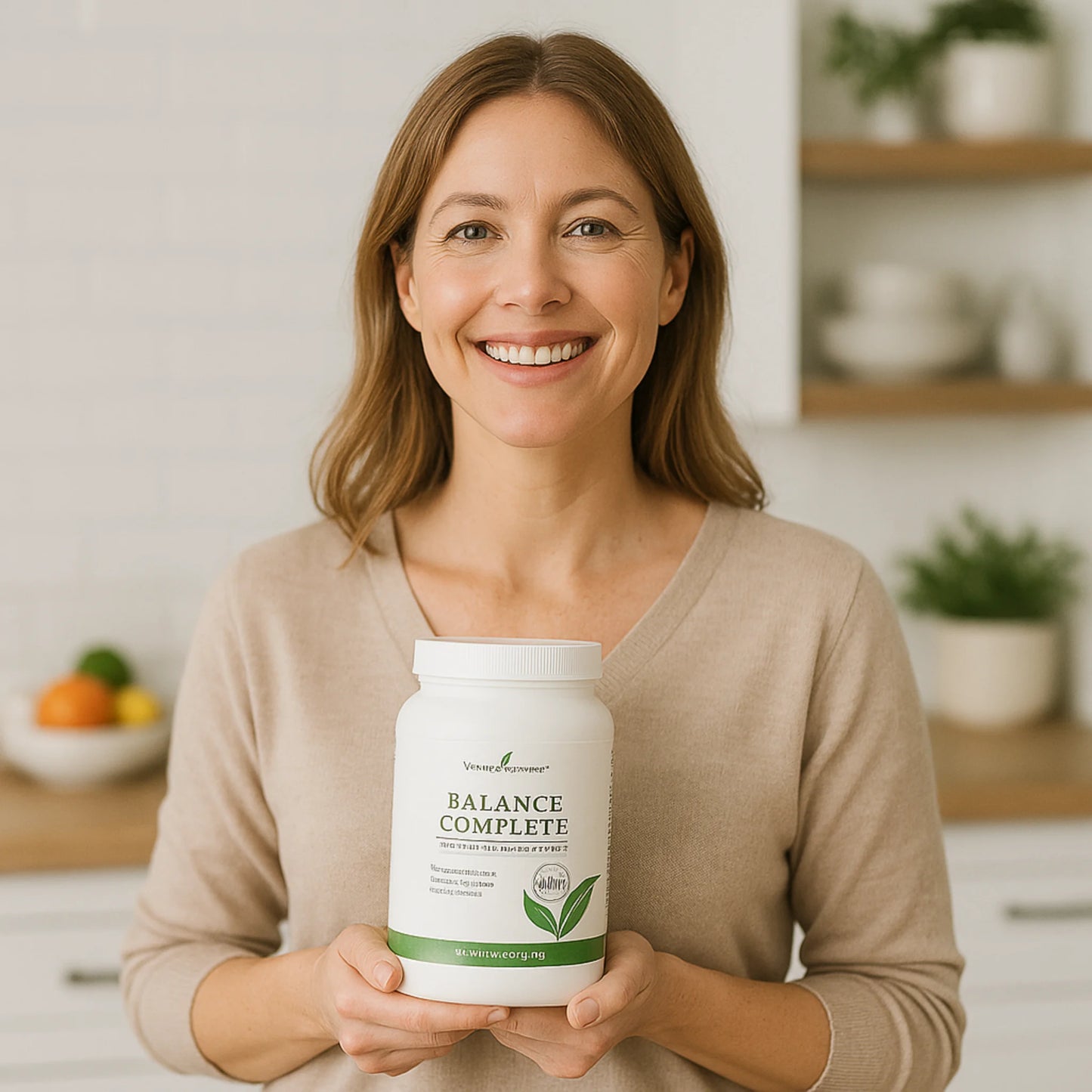
Yes. Many female customers use Balance Complete every day: a tasty supplement with enzymes, fiber, vitamins, and protein.

Do probiotics help after antibiotics?

More and more people are choosing to support their gut flora. The appropriate approach varies from person to person. Many probiotic supplements contain too few valuable bacterial strains.

Why doesn't supplementation always work the same way?

No, our products are free from allergens and therefore gluten-free. We only use natural ingredients and don't add any unnecessary additives.

Healthy intestines support much more than just your stomach

Your gut flora influences many processes in your body.

More than most people realize.

If you notice that your energy is different, you are more easily overstimulated, or your gut feels more unsettled, it might be valuable to investigate further.

Not everything has to happen at once.

But the right step at the right time can make a big difference.

Do you want to discover what your body needs?

Waarom je je na antibiotica soms maanden later nog niet jezelf voelt

Why you might not feel like yourself for months after antibiotics


Why Your Gut is the Key to a Calm Mind and Radiant Skin

Your gut flora consists of billions of bacteria, viruses, and other microorganisms. Together, they form an ecosystem that does much more than just aid in food digestion.

Among other things, your gut flora supports:

  • nutrient absorption
  • your immune system
  • protection against unwanted bacteria
  • production of certain substances involved in well-being and health

Antibiotics can be life-saving. Sometimes they are absolutely necessary.

However, antibiotics do not fully distinguish between bacteria that make you sick and bacteria that contribute to a healthy gut balance.

Research shows that even one course of antibiotics can cause measurable changes in the composition of the gut microbiome. For some people, this recovers relatively quickly. For others, changes in bacterial diversity are still seen even after months or longer.

For example, researchers observed that gut flora disruption can remain visible for more than a year after antibiotic use. Some studies even show that certain changes can be measurable for much longer.

That does not mean recovery is impossible.

It does mean that recovery deserves attention.

Precisely because many women months later no longer think back to that course of antibiotics from half a year or a year ago.

While their bodies sometimes still send signals. A healthy gut flora helps, among other things, with:

Gut-brain axis

Your gut and your head constantly communicate with each other.

Scientists call this the gut-brain axis.

Through nerve pathways, immune signals, and substances involved in communication in the body, your gut and brain are constantly connected.

Many women recognize it without knowing about this connection.

A period of stress.

More unease.

Worse sleep.

More worrying.

A bloated feeling.

Or vice versa.

More bowel complaints during stressful periods.

That's no coincidence.

Your gut microbiome plays a larger role in well-being than many people realize.

Approximately 90–95% of serotonin production in the body occurs in the gastrointestinal tract. Serotonin is involved in processes related to mood, sleep, and well-being.

That doesn't mean gut health is "the solution to everything."

But it does mean that healthy guts go far beyond just digestion.

More and more research shows that gut health is linked to immune function, energy regulation, and even how people feel daily.

That makes attention to gut health important — especially if complaints keep recurring.

Small step, big difference

The great thing? With just one daily capsule of a high-quality probiotic, you can start to feel a difference. Not just in your gut, but also in your mind and skin.


Want to know more about how your gut influences your well-being?
Book a biomarker scan and receive a personalized gut recovery plan

Give your body what it needs – from within.

Read more: What the biomarker scan reveals in just a few minutes.

Back to blog

Leave a comment