• Profielfoto van Suzanne in een rond pictogram

    Written by certified Naturopath Suzanne Shares

    - 8 years of experience with over 1600 clients in the Netherlands and Europe.

When stress and recovery don't find each other on their own

Your circumstances have changed. Perhaps a complicated relationship is over, your financial worries have eased, or you finally have some free time. Yet when you receive an unexpected message, your heart still beats faster. You expect something might go wrong, even if there is no concrete reason for it at the moment. This is a recognizable response after prolonged uncertainty. Your brain reacts not only to what is happening now, but also to past experiences. This article explains how threat learning works, why safety does not feel like a given right away, and what conclusions you can and cannot draw from it.

This article combines accessible neuroscience with practical self-care. It distinguishes between explanatory mechanisms, the results of research on humans, and product choices. This helps prevent the idea that a single hormone must explain all symptoms.

Refresh helpt bij het verminderen van overmatige prikkels en bevordert rust.

The brain tries to predict future events

Research and daily life carefully side by side.

The brain tries to predict future events

Our brain uses past experiences to predict what might be important. In an unpredictable environment, responding quickly to subtle cues can be sensible. Think of recognizing a change in someone's tone of voice or immediately checking financial messages. Such a pattern does not have to disappear as soon as your circumstances become calmer. Learned expectations can still temporarily influence attention, muscle tension, and behavior. This is not the same as a permanent biological survival mode or evidence of brain damage. The brain continues to learn and can adjust its expectations when new experiences consistently provide different information.

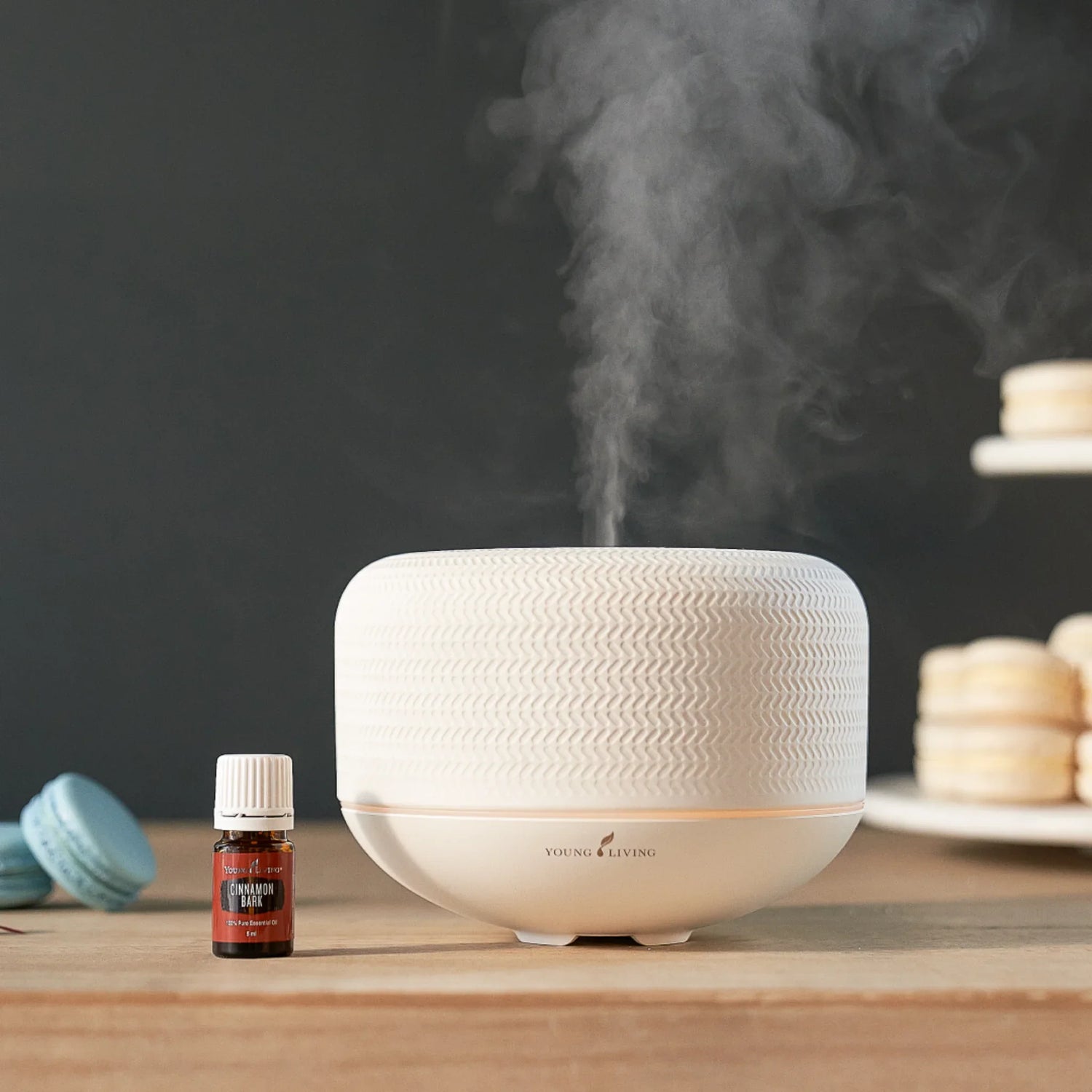
Geur activeert het limbische systeem in de hersenen en beïnvloedt emoties

Amygdala, hippocampus and prefrontal cortex work together

Research and daily life carefully side by side.

Amygdala, hippocampus and prefrontal cortex work together

The amygdala is involved in recognizing meaningful stimuli, the hippocampus in context and memory, and parts of the prefrontal cortex in assessing and regulating reactions. These components function in networks, not as three separate switches. Research on anxiety disorders and PTSD shows that some people process threat signals more strongly and find it harder to distinguish between threat and safety. Such findings are important, but cannot simply be applied to every woman with a busy life. A self-test or a feeling of tension does not tell exactly what is happening in an individual brain region.

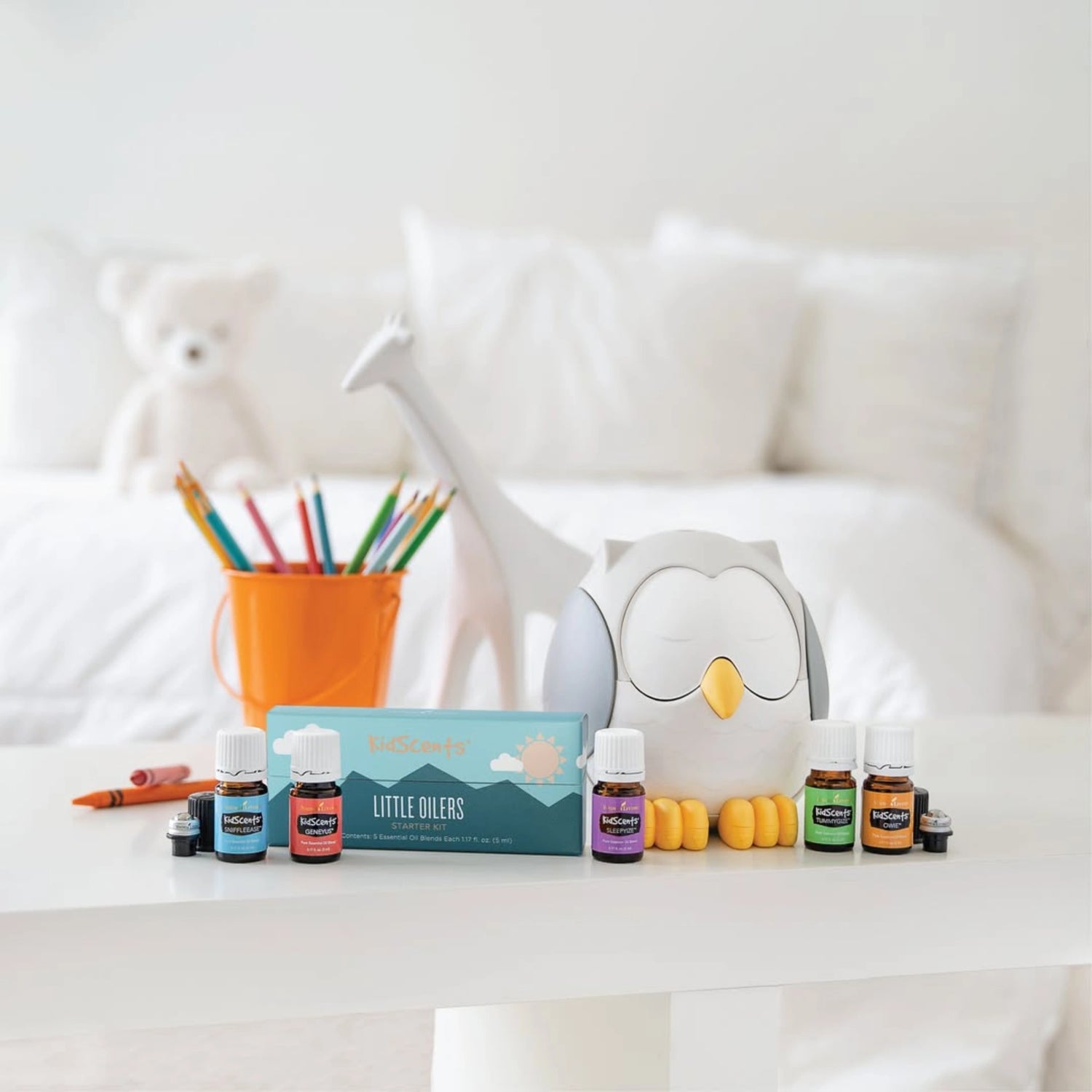
GeneYus bevordert concentratie en focus, ideaal voor kinderen met ADD.

Why logical reassurance doesn't always feel like enough

Research and daily life carefully side by side.

Why logical reassurance doesn't always feel like enough

You can rationally know that things are different now, yet still automatically startle at a noise or unexpected change. This difference is partly explored under the terms fear extinction and safety learning. A previous association with danger is not simply erased when you know that the situation is safe. New learning experiences may be needed to help interpret signals differently. This makes persistent alertness understandable without presenting it as inevitable. In cases of trauma, memories can be very intense, and specialized support is more appropriate than general wellness advice.

Suzanne gebruikt de Stress Away Roll-On in haar hotel badkamer en brengt de gezonde essentiële oliën aan op haar pols voor ontspanning en welzijn.

Stress reactions are not the same as constantly high cortisol

Research and daily life carefully side by side.

View the Hormone Duo

Stress reactions are not the same as constantly high cortisol

The HPA axis and the autonomic nervous system help regulate the body's response to stress. Cortisol plays a normal role in this process and also follows a daily rhythm. In cases of prolonged stress, varying cortisol patterns have been found; feeling tense does not prove that the hormone is continuously elevated. It is therefore unlikely that you can diagnose yourself with a so-called cortisol disorder based on symptoms. If fatigue persists or new physical symptoms develop, it is worth discussing with a healthcare professional. Not every form of hyperalertness has the same cause, and fatigue can also be related to, for example, sleep deprivation or illness.

The transition may introduce additional changes

Research and daily life carefully side by side.

The transition may introduce additional changes

For some women, a period of prolonged pressure coincides with perimenopause. During this life stage, oestrogen and progesterone fluctuate differently. Oestrogen receptors are also found in the brain, and progesterone is partly converted into neuroactive substances such as allopregnanolone. These changes can be linked to sleep and mood. This does not mean that menopause automatically reactivates old stress responses. On the contrary, there are several processes that deserve attention at the same time. Making this distinction prevents every symptom from being attributed to cortisol or to a hormone deficiency.

More about hormonal changes and personal differences: weight loss and well-being during perimenopause.

Vrouw in sportkleding houdt haar pols bij haar gezicht tijdens een aromatherapiemoment in een groene tuin.

Small experiences of predictability and peace

Research and daily life carefully side by side.

Small experiences of predictability and peace

One first step can be to notice when your body signals tension and what situation preceded it. Then try one achievable habit that makes the day more predictable: a regular moment of rest, a short walk, or an evening where you turn off work notifications. You don't have to force yourself to relax. A pleasant scent can be part of such a personal ritual. The existing starter bundles at Suzanne Shares offer opportunities to get acquainted with aromatherapy, but are not a proven treatment for PTSD, hypervigilance, or hormonal complaints.

If you want to start with a scent experience, check out the existing starter bundles.

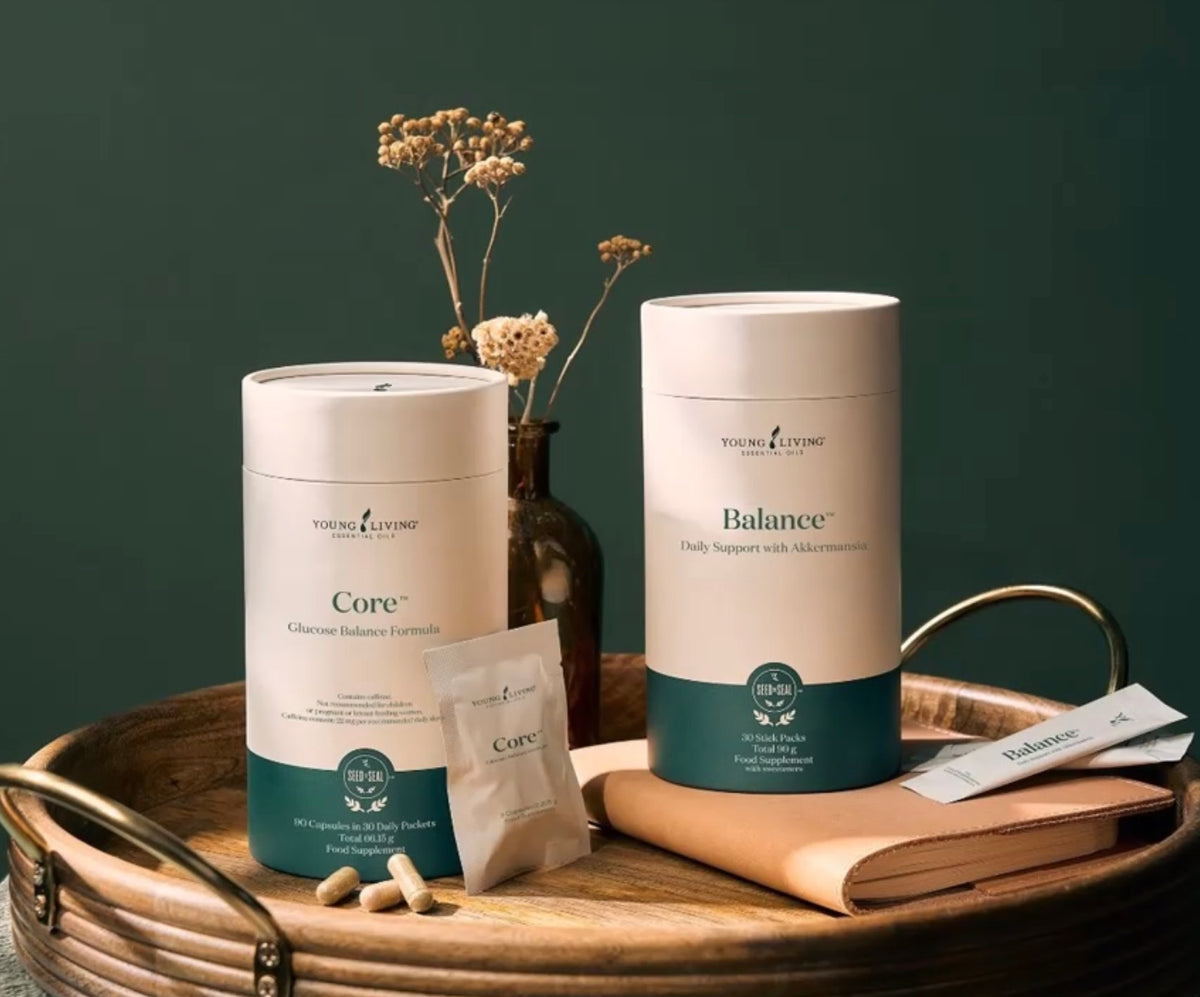
Balance en Core van Young Living: Balance poederstick en Core sachet met capsules op zandkleurige achtergrond.

When support and a broader perspective are important

A sensible next step, without quick promises.

When support and a broader perspective are important

If you experience flashbacks, avoidance, startle responses, or continue to feel unsafe, trauma-focused therapy such as EMDR or cognitive processing therapy may be appropriate. If you mainly experience persistent sleep problems or perimenopausal symptoms, seeking targeted medical guidance may be advisable. If you are also struggling with your weight, consider your sleep, diet, and living environment rather than focusing solely on high cortisol. On Suzanne Shares, you will find separate information about losing weight during perimenopause. The most important thing is not to limit yourself to a single explanation, but to explore which support is truly right for you.

For an optional product choice, you can view the EndoFlex and Progessence Phyto Plus duo. For questions about diet, weight, and daily habits, there is also the information in Balance & Core. None of these products are presented here as proven treatments for stress, hormonal symptoms, or weight problems.

Frequently Asked Questions

Why do I remain alert after my situation is safer?

Learned expectations and increased vigilance for potential threats can persist longer than the original stressful situation. This varies from person to person and can improve through new experiences and appropriate support.

Does this mean my cortisol is chronically too high?

Here's how to download your digital products:

Is this the same as PTSD?

No. Persistent vigilance occurs in various situations. Specific criteria apply to PTSD, which must be assessed by a qualified professional.

Can aromatherapy reset my nervous system?

There is no convincing evidence of such a medical effect. A familiar scent can, however, be part of a personal relaxation ritual.

What if I also sleep poorly during menopause?

No, our products are free from allergens and therefore gluten-free. We only use natural ingredients and don't add any unnecessary additives.

Room for a broader story

Prolonged stress responses, hormonal transitions, and daily habits can influence each other. But a relatable story is not the same as a diagnosis. Choose an approach that suits your situation. If you want to safely explore a personal fragrance experience, there are starter bundles for aromatherapy. You can also view the Hormone Duo as separate product information, without suggesting proven hormonal effects.

Scientific sources:

Meta-analysis of safety and fear learning

Neurobiology and treatment of PTSD

Neuroendocrine mechanisms in menopause

Discover the existing range without medical promises; seek professional advice for persistent symptoms.

Why does your nervous system stay alert after the stress has passed?

Why do you still feel tense after the stress has passed? Discover threat learning, safety, and practical ways to regain your calm.

Back to blog

Leave a comment