• Profielfoto van Suzanne in een rond pictogram

    Written by certified Naturopath Suzanne Shares

    - 8 years of experience with over 1600 clients in the Netherlands and Europe.

What does research say and what can you recognize yourself?

The day is finally over, yet your mind still feels busy. You replay conversations, worry about potential problems, or startle awake when something unexpected happens. After a prolonged period of stress, it can be difficult to switch off. However, sleep problems are not always directly caused by stress; night sweats, sleep apnea, pain, medication, and other factors may also play a role. Taking a broad view is particularly important around perimenopause.

At Suzanne Shares, we combine relatable practical experience with the latest scientific research. A link between stress, sleep, or hormones is not evidence that a particular product treats these symptoms. Read the sources and choose guidance that is right for your situation.

Vrouw in een witte top ligt buiten met gesloten ogen op een rood-wit gestreepte deken in het zonlicht.

Why tension is especially noticeable in the evening

As soon as the day quiets down, tension that previously remained in the background can become more noticeable.

Why tension is particularly noticeable in the evening

During a busy day, all kinds of signals are drowned out by tasks and conversations. It is sometimes only when you lie down that you realize how tense you are. If you are used to constantly monitoring for risks, even silence can prompt you to check again whether everything is alright. This does not have to be a conscious choice. Research on safety learning describes how, after threatening experiences, people may pay more attention to signals that resemble a threat. This does not prove that every form of insomnia is caused by a 'locked-in nervous system'.

Deep Night Essence op nachtkastje naast een diffuser – natuurlijke slaapondersteuning zonder melatonine bij HSP, burn-out en slapeloosheid.

Sleep is important for context and emotion

Sleep supports, among other things, the processing of experiences, but a restless night has several possible explanations.

Sleep is important for context and emotion

During sleep, several processes occur that are involved in memory, learning, and emotion regulation. Some neuroscience models link poor sleep to greater difficulty distinguishing between an old threat and a current safe situation. In PTSD, the combination of sleep disturbance and persistent vigilance has been extensively studied. The findings in that clinical group cannot be automatically applied to every woman who has had a demanding job for a long period. The relationship may also be reciprocal: stress can disrupt sleep, and sleep deprivation can affect stress responses.

Twee capsules Deep Night Essence – formule met lavendel, groene thee en holy basil, geschikt voor HSP en gevoelige slapers.

Cortisol is not a simple explanation for every restless night

You can't tell how high your cortisol is from worrying or lying awake.

Cortisol is not a simple explanation for every restless night

Cortisol follows a daily rhythm and is part of normal biological regulation. Its levels vary depending on the time of day, circumstances, and health. The feeling that your mind won't stop is not a reliable indicator that your 'nighttime cortisol is too high'. It is tempting to blame a complex sleep problem on a single hormone, but doing so may obscure other treatable causes. If falling asleep or staying asleep remains difficult for weeks, it is useful to consider the full sleep story: regularity, pain, night sweats, worrying, medication, and sleep hygiene.

Hand met geopende flacons EndoFlex en Progessence Phyto Plus met roll-on – perfect voor eenvoudig dagelijks gebruik voor cyclusondersteuning en welzijn.

Perimenopause and nighttime changes

Night sweats and fluctuating hormones can affect sleep patterns during perimenopause.

View the starter bundles

Perimenopause and nighttime changes

Perimenopause is often accompanied by fluctuating hormone levels. Oestrogen and progesterone affect, among other things, brain function and neurotransmitters related to sleep and mood. Some women also experience hot flashes or night sweats, which can disrupt sleep. Some women may find it particularly difficult to fall asleep, while others wake up early. These differences are normal. NICE describes menopausal cognitive behavioural therapy as a possible option for sleep problems associated with vasomotor symptoms. A medical assessment can help determine the cause and possible treatment options.

For more information, also read what perimenopause can mean for your daily well-being.

What does science say about sleep recovery?

For persistent insomnia, targeted treatment such as CBT-I is more than just sleep hygiene.

What does science say about sleep recovery?

For persistent insomnia, cognitive behavioral therapy for insomnia, CBT-I, is well supported by scientific evidence. It is not just about tips such as drinking a cup of tea, but involves structured treatment of patterns around sleep and expectations about lying awake. If your symptoms are affected by hot flashes or other menopausal symptoms, additional treatments may be appropriate. A personal evening routine can be pleasant, but it does not replace such care. It is better to start with an achievable foundation than with a series of increasingly strict rules about how you should sleep.

If you have questions about weight and a plateau, you can find additional information on the Money Page about weight loss that has stalled.

Vrouw brengt Peace & Calming Roll-On van Young Living aan op haar pols – een natuurlijke oplossing bij stress, overprikkeling en slaapproblemen, ideaal voor rustmomenten thuis of onderweg.

An evening routine that asks little of you

A simple evening routine can provide structure without promising a guaranteed sleep effect.

An evening routine that asks little of you

Try to create a recognizable transition to the evening. For example, put your phone away, reduce bright light if that feels pleasant, and make the bedroom comfortable. A short, pleasant scent ritual can help mark a set time. You can get acquainted with a starter bundle via Suzanne Shares, but essential oils are not a proven medical treatment for insomnia or trauma. Diffuse responsibly, ventilate the room, and be mindful of people or animals who may react sensitively. A routine is an invitation to relax, not an extra task that you have to perform perfectly.

For a practical nutrition routine, you can also view Balance & Core in the webshop; use the current product information and do not expect a proven cortisol treatment.

Glimlachende vrouw ligt buiten op een gestreepte deken en houdt een groene roll-on bij haar gezicht.

When you need to look beyond self-care

Persistent symptoms or pauses in breathing during sleep warrant a professional evaluation.

When you need to look beyond self-care

If you barely recover for weeks, struggle to function during the day, snore with pauses in breathing, or wake up gasping for air, you deserve professional attention. The same applies to severe menopausal symptoms or trauma-related issues. If you also have questions about weight changes, the combination of sleep, appetite, and daily activity may be relevant, without the sleep disorder automatically causing weight gain. Suzanne Shares' perimenopause page offers additional information. Any product routine remains secondary to a proper assessment and guidance.

If you would like to view the range, read about the aromatherapy starter bundles or the EndoFlex and Progessence Phyto Plus Hormone Duo. These are optional product options, not a substitute for appropriate care.

Frequently Asked Questions

Why does my mind stay active when I go to bed?

Learned vigilance, worrying and sleep habits can play a role, but the cause varies from person to person.

Is that always a sign of high cortisol?

Here's how to download your digital products:

Does progesterone affect my sleep?

Progesterone and neuroactive metabolites have functions in the nervous system. Their clinical significance varies depending on the woman and the situation.

Which treatment helps with long-term insomnia?

CGT-I is well supported. For menopausal nocturnal symptoms, additional treatments can be discussed.

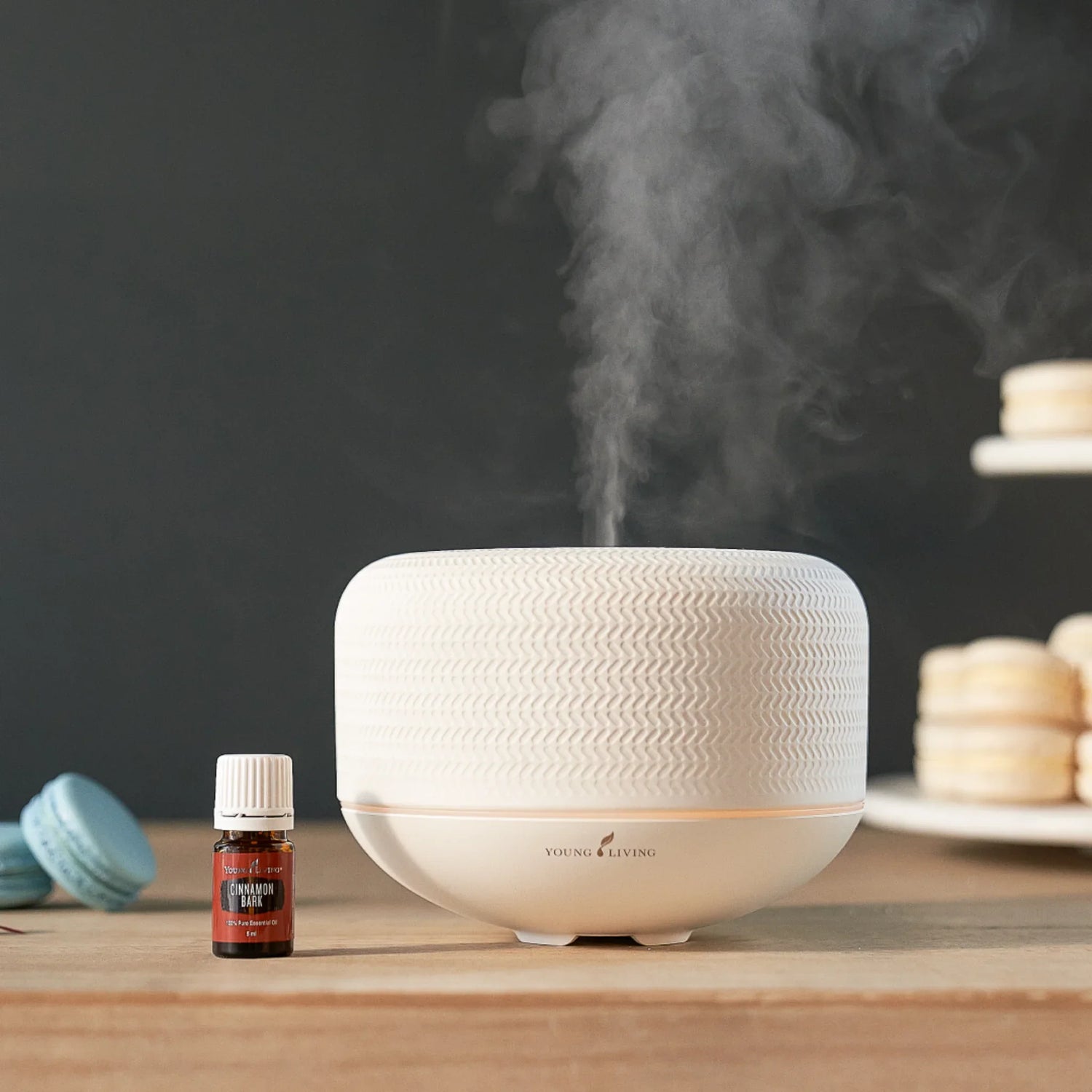
Can I use a diffuser in an evening ritual?

No, our products are free from allergens and therefore gluten-free. We only use natural ingredients and don't add any unnecessary additives.

Your own pace is more important than a quick fix

Recovery, sleep and weight are more complex than a single cortisol level. Take your own signals seriously without jumping to conclusions too quickly. For additional product information, you can view Balance & Core, the starter bundles or the Hormone Duo. None of these products are presented here as proven treatments for stress, insomnia or menopause.

Research and guideline sources consulted:

Neurobiology of trauma-related sleep and safety processing

Meta-analysis of safety and threat learning

NICE menopausal sleep complaints

Review of hormones and the brain around menopause

Discover a suitable option and consult a healthcare professional if symptoms persist.

Poor sleep after prolonged stress: why your brain struggles to relax

Why do you find it difficult to fall asleep after a difficult period has passed? Read about hypervigilance, sleep patterns, menopause and recovery.

Back to blog

Leave a comment